

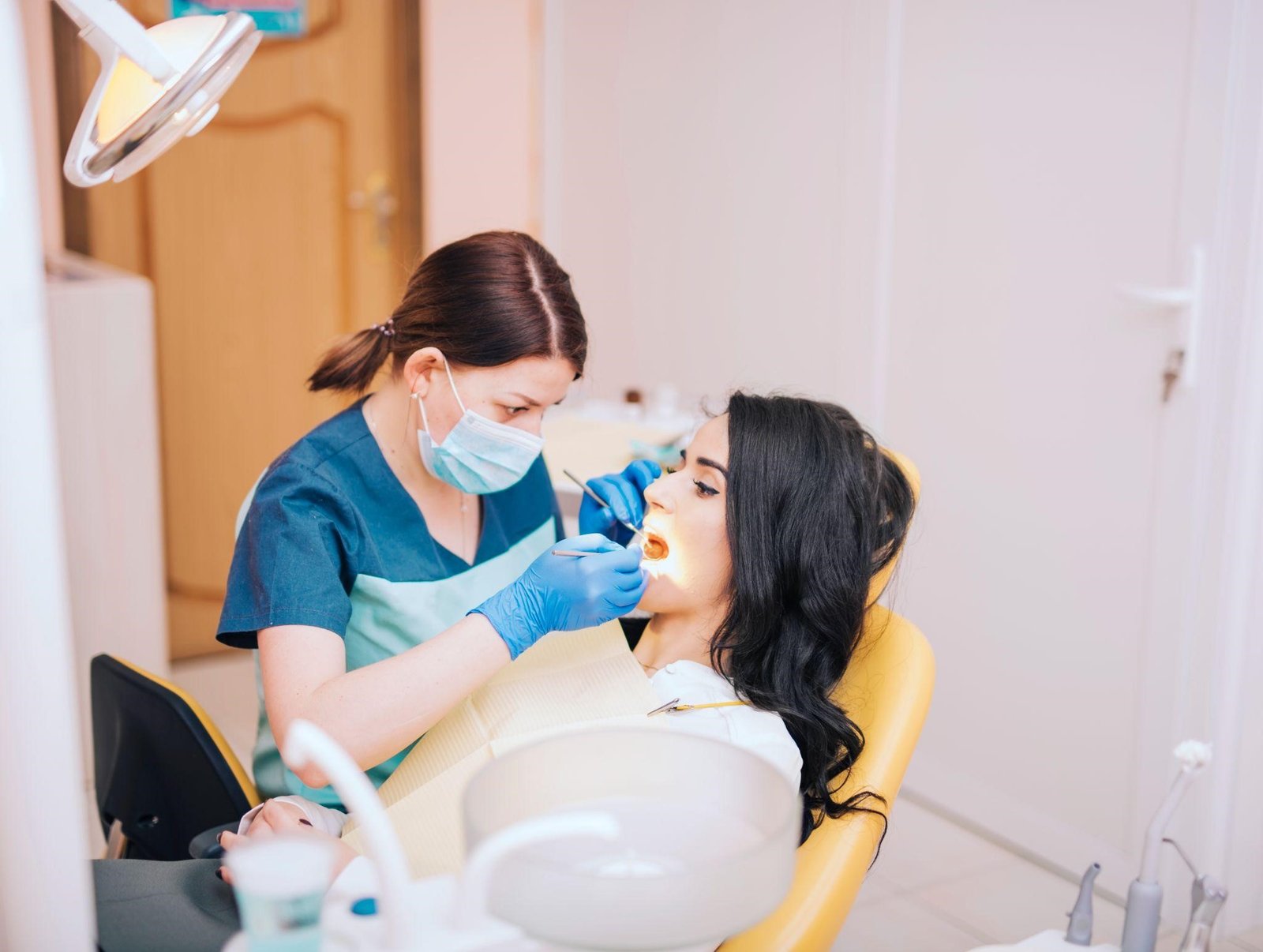
A smile is personal. Teeth vary in shape, strength, alignment, colour and history, and people vary too, in habits, worries, goals, and how comfortable they feel in the chair. That’s why dental treatment shouldn’t follow one fixed formula. A plan that works well for one person might not work at all for someone else.
A dentist’s job isn’t only to spot a problem and hand out a fix. It’s also about understanding the person behind the symptoms, looking at the whole mouth rather than one tooth in isolation, and explaining the options in plain language. At Andrew Lee Dental Practice, this is the kind of thinking Jaswinder Singh Bardha applies to restorative and endodontic cases, where a chipped tooth or an old filling rarely has just one correct answer.
Why a One-Plan-Fits-All Approach Falls Short
Two people can walk in with the same complaint and still need completely different care. A chipped tooth, for instance, might be treated differently depending on how bad the chip is, where it is, how strong the tooth is, how it looks, the bite, and the condition of the teeth around it.
Old fillings, gum health, wear on the teeth, hygiene habits and medical history all play into the decision too. Someone with several restored teeth may need a different approach than someone who’s had almost no dental work done, and age, lifestyle, diet and how much someone cares about appearance can all shape the conversation further.
That’s why a proper exam matters before settling on treatment. It gives the dentist a fuller picture and opens up a real discussion about options, instead of jumping to conclusions from a single symptom. At Andrew Lee Dental Practice, that exam includes digital imaging and intra-oral photography, so the dentist and patient are looking at the same picture of the problem rather than working from a verbal description alone.
The Questions Behind a Personal Dental Plan
A good consultation goes further than asking where it hurts. It covers:
- What’s actually causing the current problem?
- What’s changed since the last visit?
- How is this affecting eating, speaking, or confidence?
- Are there past treatments worth factoring in?
- What result feels realistic and worth pursuing?
- What can be done to lower the chance of future problems?
These questions tie what a dentist finds clinically to what actually matters to the patient. Clear communication matters just as much, a patient should feel free to ask why a procedure is needed, what the alternatives are, what aftercare it needs, and what could happen if it’s put off.
Comfort Is Part of Good Care
Dental care isn’t only a clinical matter. It’s a human one too. Some patients feel completely at ease in the chair, while others get anxious about needles, sounds, past experiences, or simply not knowing what’s coming next. Walking a patient through each step, agreeing on a signal for pausing, and leaving room for questions can help people feel more in control.
Talking through comfort options before a procedure begins can make dental treatment feel far less daunting. Real personal care starts with understanding what each patient is worried about, rather than treating everyone the same way.
Technology Supports Better Decisions, Not Replaces Them
Dental technology has changed how problems are assessed and care is planned but its value lies in helping a clinician gather clearer information, compare findings, explain what’s going on, and track changes over time, not in replacing clinical judgement. At Andrew Lee Dental Practice, this shows up in tools like digital scanning and intra-oral cameras, used to let a patient actually see what a dentist is describing rather than take it on trust.
For some patients, seeing an image of the problem makes an explanation click. For others, a straightforward verbal description does the job just fine. What matters is that the explanation fits the person, not just whatever technology happens to be available.
Treatment Should Fit Real Life
A plan also has to work outside the dental chair. Appointment timing, recovery, ongoing care, cost and personal priorities all affect which option actually makes sense for someone.
Dental treatment can take several different paths, watching and waiting, prevention, restorative work, cosmetic options, or referral to a specialist when needed. Each comes with its own benefits, limits, costs and long-term demands, and knowing the differences gives patients a stronger footing when it’s time to decide.
At Andrew Lee Dental Practice, that range sits within a single team: Jaswinder Singh Bardha handling restorative and endodontic cases, other dentists covering prosthodontics and orthodontics, so a referral for something beyond routine care rarely means finding a different practice altogether. Interest-free payment plans are also offered, so cost is factored into the conversation rather than left as an afterthought. A treatment plan also isn’t fixed permanently; it can shift if new information comes to light.
Trust Is Built Through Transparency
Trust doesn’t come from big promises. It builds through clear explanations, honest discussion of limitations, careful exams, and steady follow-up and that includes being upfront when a particular treatment isn’t the right call. At Andrew Lee Dental Practice, that might mean Jaswinder Singh Bardha recommending a filling over a crown where the tooth structure allows it, or flagging that a case needs a colleague’s specialism rather than treating it himself. Conversations like these show the focus is on what a patient actually needs, not on adding extra treatment.
They also make it easier for patients to speak up and ask questions. Someone who understands why a recommendation was made is far more likely to take an active role in their own oral health.
Final Thought
Every smile has its own history, so dental treatment should reflect more than a checklist of symptoms. Assessment, communication, prevention, comfort and practical needs all deserve a place in shaping the right approach.
Patients are generally better served by care that listens before acting, explains before moving forward, and keeps their priorities front and centre, the kind of approach Jaswinder Singh Bardha and the wider team bring to restorative and endodontic treatment at Andrew Lee Dental Practice, 7 Crown Way, Lillington, Leamington Spa, CV32 7SF, turning dental visits from isolated appointments into part of an ongoing plan for better oral health.
