

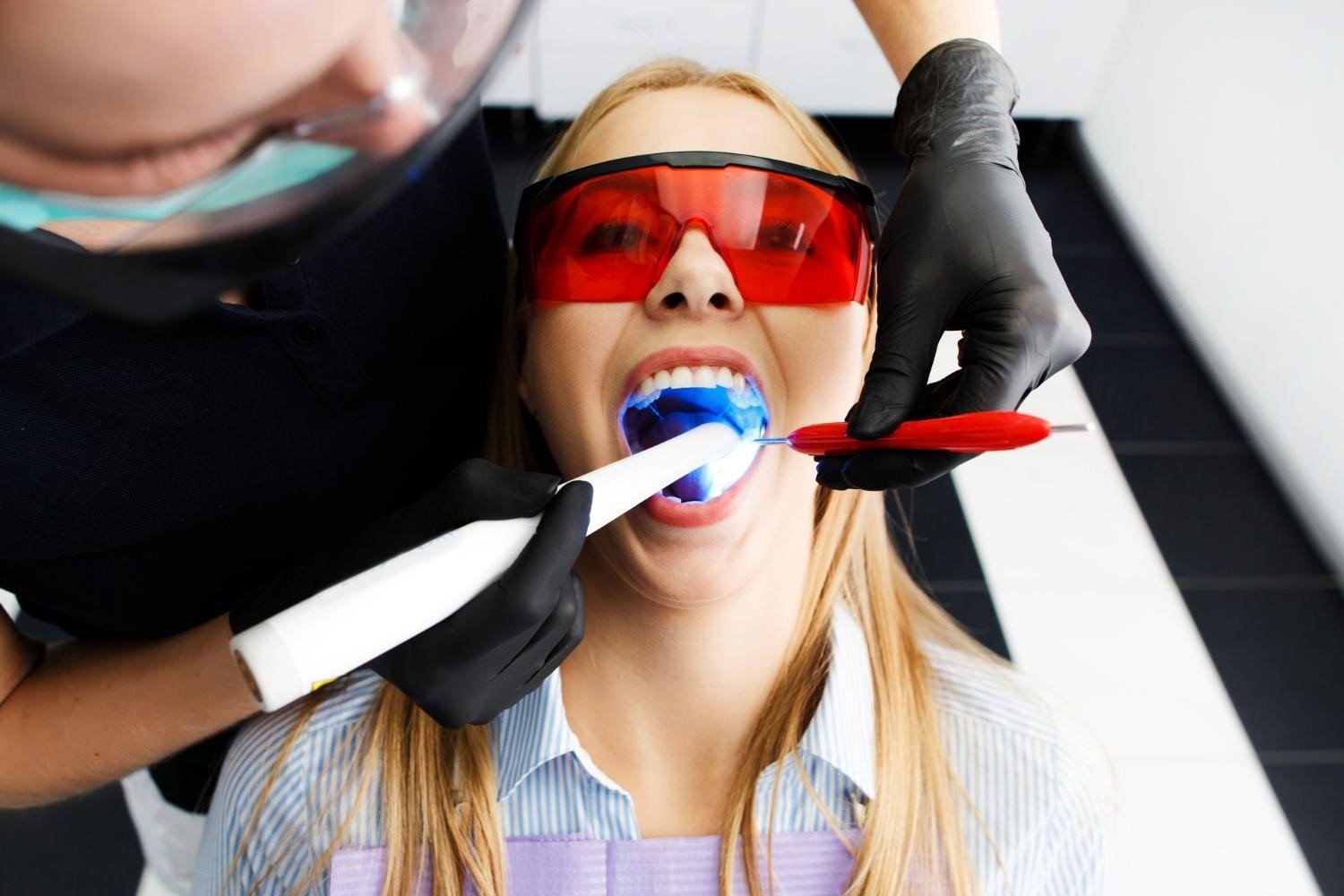
Most people know what they want from teeth whitening. Whiter teeth. The awkward part is that “whiter” isn’t really a complete description of the result anyone wants.
I started thinking about this after looking into Teeth whitening in Manchester and noticing how often the conversation is framed around brightness.
How white can teeth become?
How quickly can they change?
How many shades can they move?
Those are understandable questions. But there’s another one that seems more interesting: what shade actually suits your smile?
White isn’t one single destination
Natural teeth aren’t naturally identical in colour. Some are warmer. Some are lighter. Some have more noticeable variation from tooth to tooth. Age, enamel, previous staining and other factors can all influence how teeth appear.
Whitening works by addressing certain types of discolouration, particularly surface stains and some deeper staining depending on the cause. That means the starting point matters.
If someone drinks a lot of tea or coffee, smokes, or has accumulated surface staining over time, professional whitening may produce a noticeable change. But the result isn’t necessarily going to look like an artificial, uniform white. And that can actually be a good thing.
The cause of the colour matters
Before worrying about the shade chart, I’d want to know why the teeth look darker in the first place. Surface stains can build up from foods and drinks such as tea, coffee and wine, as well as tobacco use. Poor oral hygiene can contribute to plaque and staining too.
There are also types of discolouration that sit deeper within the tooth. That distinction matters because whitening isn’t a magic eraser for every kind of dental colour change. If the reason for the discolouration isn’t understood, expectations can easily become unrealistic.
A dental professional can assess the teeth and gums before treatment and discuss what kind of improvement is realistic. That seems much more useful than buying something because the packaging promises an exceptionally bright smile.
There’s a reason whitening sometimes comes before bonding
This was another detail I found particularly interesting. Composite bonding can be colour-matched to the teeth. If you whiten after bonding, the natural teeth may become lighter while the existing composite stays the same shade. That can create a mismatch.
For someone considering several cosmetic treatments, the order of treatment can therefore matter. Whitening first may allow the shade of subsequent composite work to be selected to match the lighter natural teeth.
Whitefield Dental’s information on teeth whitening specifically recommends whitening before composite bonding when both treatments are being considered.
That isn’t a reason for everyone to whiten their teeth. It is simply a good example of why cosmetic dentistry works better when treatments are considered together rather than as isolated purchases.
I’m less interested in the brightest result
There’s a point where a whitening result can stop looking like an improvement and start looking disconnected from the rest of the face. That doesn’t mean there is one “correct” level of whiteness. People have different preferences, skin tones, existing restorations and expectations.
It does mean the goal should be personal. If the teeth are dramatically brighter but the result doesn’t feel natural to you, the treatment hasn’t necessarily achieved what you wanted.
This is where a consultation can be useful. You can discuss the starting shade, the likely result and whether whitening is even the right answer for the particular type of discolouration.
What about sensitivity?
Sensitivity is one of the less glamorous parts of the whitening conversation, but it deserves attention. Whitening products can cause temporary sensitivity in some people. That doesn’t automatically mean something has gone wrong, but it is a reason not to treat whitening as a completely risk-free beauty product.
The concentration and type of whitening material, the condition of the teeth and the way treatment is carried out all matter. Professional whitening can involve peroxide-based materials such as hydrogen peroxide or carbamide peroxide. The important part, in my view, is knowing what you’re using and why. A random kit ordered online doesn’t necessarily give you the same level of assessment or guidance.
Whitening isn’t permanent, either
Another expectation worth adjusting is the idea that whitening permanently changes tooth colour. It doesn’t.
Teeth continue to encounter the things that caused staining in the first place. Coffee, tea, tobacco and other factors can gradually affect their appearance again. How long the result lasts varies from person to person.
That doesn’t make whitening pointless. It just puts the treatment into perspective. Think of it as a cosmetic treatment that may need maintenance rather than a one-time change that freezes the colour of your teeth forever.
The question I would ask now
If I were considering Teeth whitening in Manchester, I think I’d ask something slightly different from “How white can I get?”
I’d ask: “What would a natural result look like on my teeth?”
That question opens up a better conversation. It brings in the cause of the staining, the condition of the teeth, sensitivity, the type of whitening being considered and whether other cosmetic work is planned.
It also keeps the focus where it belongs: on your smile rather than an arbitrary idea of perfect white. Brighter teeth can be a nice change. But the best result isn’t necessarily the brightest one available. It’s the one that still looks like you when you catch your reflection the next morning.
