

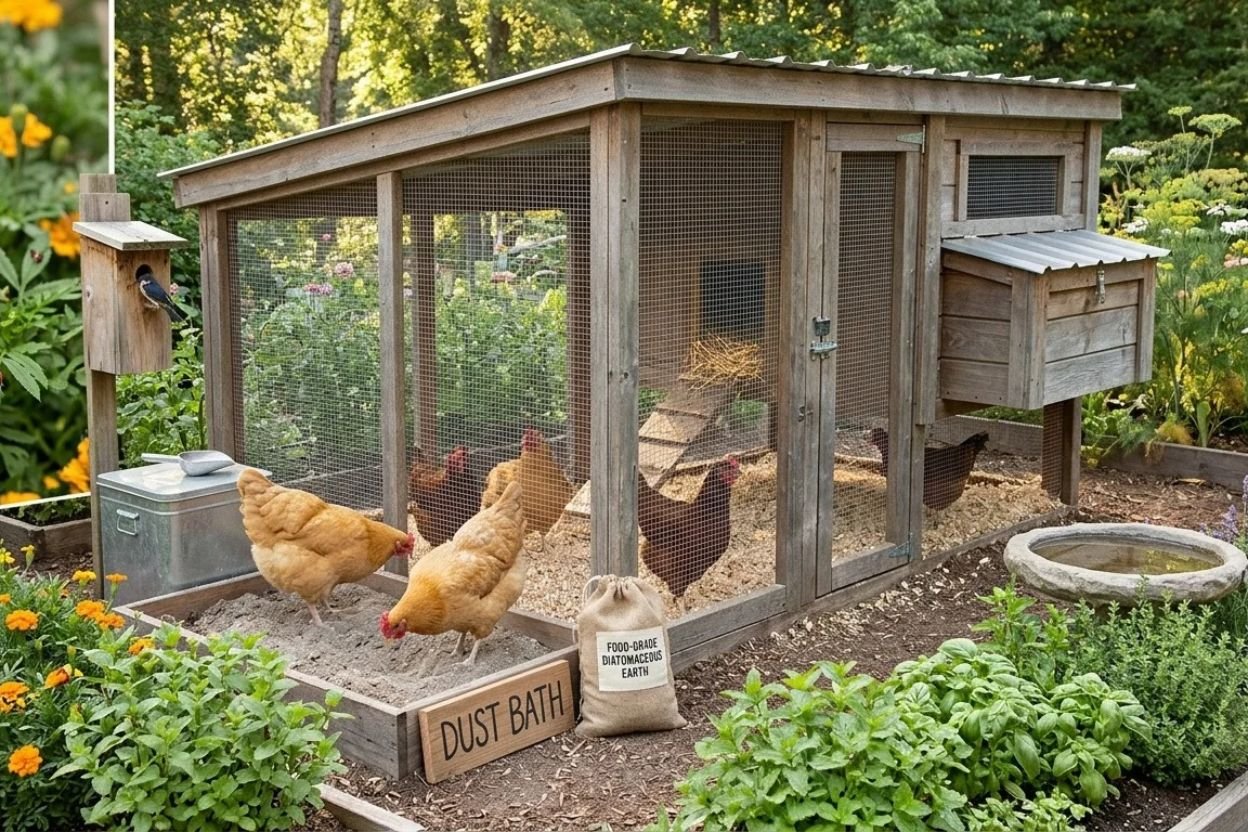
When you keep chickens, ducks, or other poultry in your backyard, pest management becomes an essential part of maintaining a healthy flock. Insects, rodents, and other unwanted animals can threaten your birds’ wellbeing, contaminate their living spaces, and spread disease. Rather than relying solely on chemical treatments, many poultry keepers turn to natural approaches that prove both effective and safer for their birds and surrounding environment. These methods address pest problems while protecting the health of your flock and the quality of your outdoor space. Understanding your options helps you create a comprehensive pest management strategy tailored to your specific situation.
Securing Your Coop and Run
The foundation of effective pest management starts with physical barriers and exclusion methods. Your coop should have sturdy walls, a secure roof, and a properly constructed run that prevents both predators and smaller pests from entering. Wire mesh or hardware cloth must be checked regularly for gaps, tears, or signs of damage, and rodents can squeeze through surprisingly small openings, so inspect around doors, ventilation areas, and the foundation where your coop meets the ground. Keeping your coop and surrounding area clean by removing spilled feed promptly and storing grain in sealed metal containers also significantly reduces pest attraction. Wet bedding should be changed regularly because it attracts insects and creates conditions where parasites thrive, and removing any nesting materials or debris scattered around your poultry area makes monitoring for problems much easier.
Encouraging Natural Predators and Beneficial Insects
Your yard can become self-regulating when you attract natural predators and beneficial insects that feed on common poultry pests. Birds such as swallows, wrens, and bluebirds consume large quantities of flying insects like mosquitoes, flies, and gnats that might otherwise bother your flock, and you can encourage them by installing nest boxes and maintaining areas with native plants and shrubs. Predatory insects like ladybugs and lacewings also feed on pest insects, and planting flowers such as dill, fennel, and yarrow attracts these helpful creatures to your property. Ground beetles and spiders consume a substantial number of pest larvae and eggs, and allowing these natural predators to establish themselves creates a balanced ecosystem around your poultry area rather than relying on pesticides that kill indiscriminately. Providing shallow water sources and maintaining diverse plantings all support populations of beneficial organisms, reducing pest pressure without requiring constant intervention.
Using Diatomaceous Earth and Natural Dust Bath Amendments
Food-grade diatomaceous earth has become a widely used natural pest management tool among backyard poultry keepers. This powder works by damaging the protective coating on insects and parasites, causing dehydration without harming birds or humans when used properly. You can dust the bedding in your coop and nest boxes to control mites, lice, and other parasites, and many keepers also add diatomaceous earth to dust bath areas where birds naturally clean their feathers. When applying it, wear a mask to avoid inhaling the fine dust and ensure you purchase food-grade material rather than pool-grade versions, repeating applications regularly in warmer months when pest populations increase. For keepers who also want a ready-to-use liquid option during routine coop cleanings and direct bird treatment, a poultry spray for mites formulated from all-natural, non-toxic ingredients can complement dry treatments as part of a broader integrated approach.
Managing Pests Through Vegetation and Environmental Control
The plants you grow around your poultry area can actively repel pests and create an environment less favorable to their survival. Herbs such as mint, basil, oregano, and thyme contain natural compounds that deter insects and rodents, and many of these herbs also provide nutritional benefits when added to your birds’ diet. Marigolds are another effective choice because their strong scent discourages many insects while adding visual appeal to your yard. Growing these plants near your coop creates a natural defensive perimeter, and according to the Penn State Extension, integrated pest management strategies that combine environmental controls with biological and cultural practices offer the most sustainable long-term outcomes for poultry operations. Water management also plays a crucial role in pest reduction, since standing water attracts mosquitoes and flies; ensuring that drainage around your coop directs water away from the structure, changing waterers frequently, and maintaining proper ventilation all reduce conditions that favor pest development.
Monitoring and Early Detection
Regular inspection of your flock and coop helps you catch pest problems before they become severe infestations requiring more intensive treatment. Examine your birds weekly for signs of parasites, including feather loss, irritation, reduced egg production, or behavioral changes that indicate discomfort. Check bedding and nesting areas for evidence of mites, lice, or rodent droppings that signal the presence of pests, since early detection allows you to implement natural solutions promptly. Keeping detailed records of what you observe throughout the seasons helps you anticipate problems and prepare preventive measures before pests become active, and you will notice patterns related to weather and temperature that allow you to time management efforts for maximum effectiveness. This proactive approach requires less intensive intervention overall and results in healthier birds with fewer pest-related health issues throughout the year.
Conclusion
Managing pests around backyard poultry without relying on chemical treatments is achievable through a combination of physical barriers, environmental management, and natural biological controls. By securing your coop and run, maintaining cleanliness, encouraging beneficial organisms, and using natural amendments like diatomaceous earth, you create multiple layers of protection for your flock. The addition of pest-repelling plants and careful attention to drainage and ventilation further reduces pest attraction to your property. Regular monitoring allows you to detect problems early and respond with targeted natural solutions rather than broad-spectrum treatments. This comprehensive approach supports the health and productivity of your backyard poultry while maintaining a safe, balanced ecosystem in your outdoor space.
