

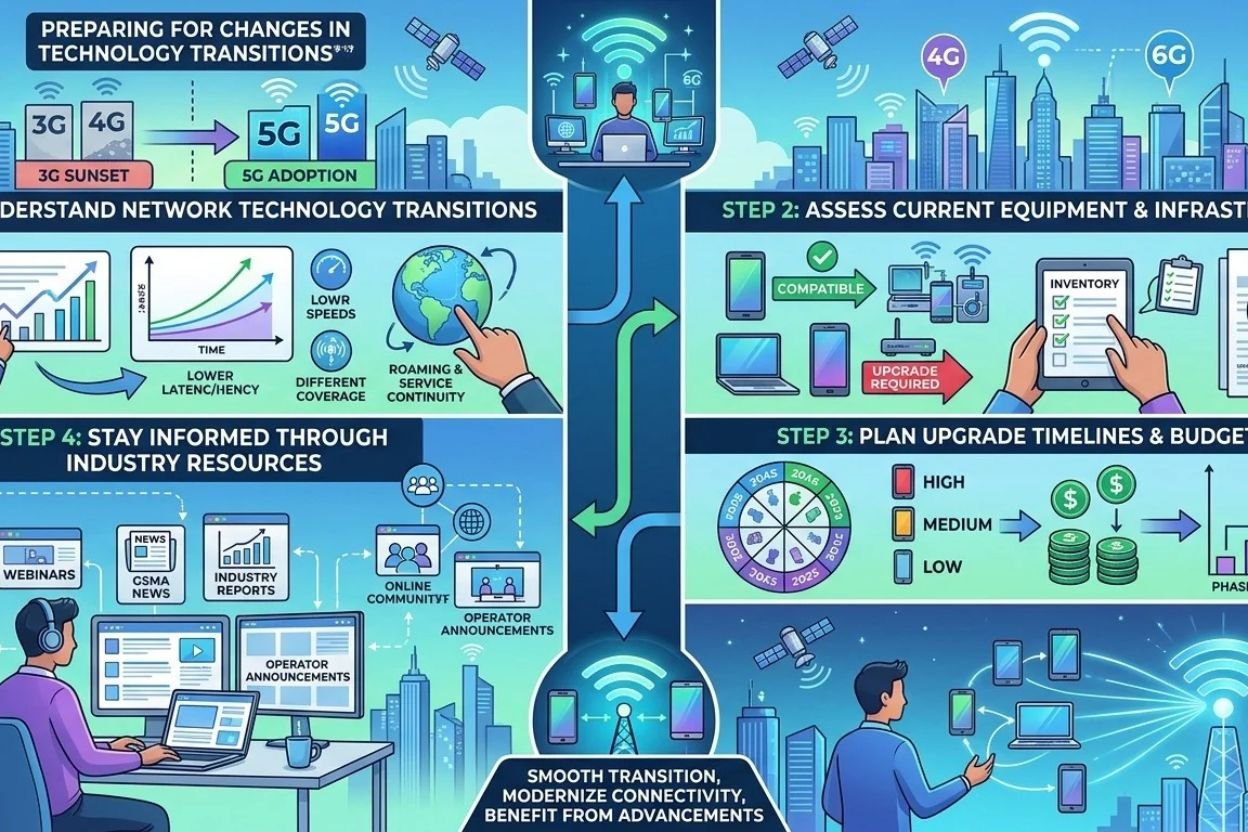
Mobile network technology continues to evolve at a rapid pace, with new standards and capabilities emerging regularly. Your ability to understand and prepare for these changes determines how effectively you can maintain connectivity and take advantage of new features. Whether you work in telecommunications, operate a business that relies on mobile infrastructure, or simply want to stay informed about technological shifts, preparation is essential. The transition from one network generation to the next involves hardware considerations, software updates, and strategic planning. This article provides practical guidance on how you can ready yourself for the mobile network advancements on the horizon.
Understanding Network Technology Transitions
Network transitions happen when telecommunications providers upgrade from one standard to another, such as moving from 4G to 5G or implementing newer iterations of existing technology. These shifts typically occur over several years, with older networks remaining operational alongside newer ones during transition periods. Your understanding of what these transitions entail helps you make informed decisions about equipment purchases and service plans. Each new generation of network technology brings different capabilities, speeds, coverage patterns, and power consumption characteristics. For users navigating the shift away from legacy networks, understanding how the phase-out of 3G affects roaming, device compatibility, and service continuity is a foundational step in preparing for what comes next.
Assessing Your Current Equipment and Infrastructure
Before changes occur, you should evaluate what devices and infrastructure you currently depend on for mobile connectivity. Conduct an inventory of smartphones, tablets, laptops, routers, and other equipment that connects to mobile networks. Determine which devices support newer network standards and which may become incompatible or less functional when older networks are phased out. Many devices manufactured several years ago may lack support for emerging technologies, meaning they could experience reduced performance or connectivity issues. Check your equipment specifications by consulting manufacturer documentation or contacting your device provider directly. This assessment gives you a clear picture of what upgrades you might need and when replacement should occur to avoid service disruptions.
Planning Upgrade Timelines and Budgets
Preparing for network changes requires developing a realistic timeline for equipment upgrades and allocating appropriate budget resources. Rather than waiting until the last moment, you should begin planning months or even years before major network transitions take effect. Create a prioritization list that identifies which devices are most critical to your operations and should be upgraded first. Consider the lifespan of your current equipment and schedule replacements to align with network technology shifts rather than replacing everything simultaneously. Budget constraints often necessitate phased upgrades, where you replace the most essential devices in the first phase and continue with additional equipment in subsequent phases. Working with your service provider can help you understand their specific timeline for network changes in your area, allowing you to coordinate your upgrade schedule accordingly.
Staying Informed Through Industry Resources
Access to reliable information about mobile network technology changes is crucial for effective preparation. Industry publications, telecommunications standards organizations, and device manufacturers regularly publish updates about upcoming technology shifts and compatibility information. You can monitor announcements from major network operators to understand their specific transition schedules and recommendations for customers. Attending industry conferences, webinars, or training sessions provides opportunities to learn directly from experts about how changes might affect your specific situation. Joining professional groups or online communities focused on telecommunications technology allows you to discuss concerns and learn from others facing similar transitions. Organizations such as the GSMA provide industry-level guidance on network evolution that can help you benchmark your preparation against established standards.
Preparing Your Organization or Household
Organizational preparation extends beyond equipment considerations to include communication strategies and contingency planning. You should inform employees, family members, or other stakeholders about upcoming network changes and what they might expect during transition periods. Develop a communication plan that keeps everyone informed about timeline milestones and any service interruptions that might occur. Create backup connectivity options when possible, such as having access to alternative networks or internet sources during potential service gaps. Test your backup systems before network transitions occur to ensure they function properly when needed. Document your organization’s network requirements and critical connectivity needs so you can prioritize which services must continue uninterrupted during any transition period.
Conclusion
Preparing for changes in mobile network technology involves multiple steps working together toward a smooth transition. By understanding what transitions entail, assessing your current equipment, planning upgrades strategically, and staying informed through reliable resources, you can navigate network technology shifts effectively. Rather than viewing these changes as disruptions to be endured, you can approach them as opportunities to modernize your connectivity infrastructure. Taking action early and methodically prevents last-minute scrambling and potential service gaps. Your proactive preparation ensures that when new network technologies become standard, you and your organization are ready to benefit from the advancements they bring.
