

Introduction
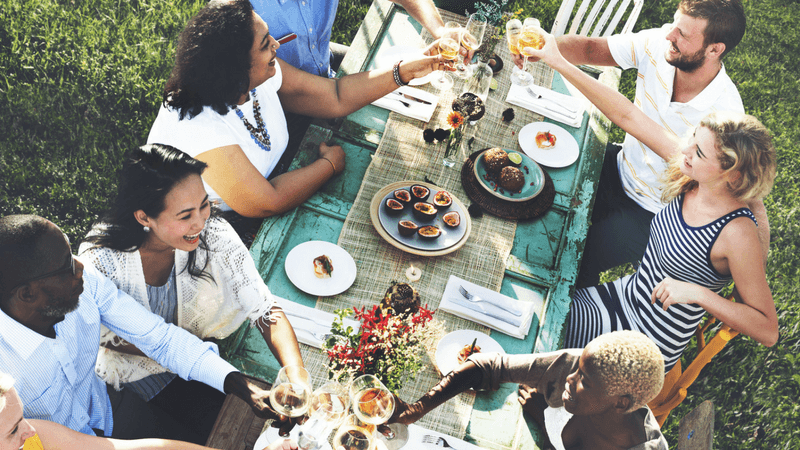
Eating out used to mean a quiet table for two or a family meal for four. That picture is changing. Across many cities, diners are gathering in bigger groups of friends, coworkers, relatives, and neighbors. Long tables, shared plates, and lively conversation are now common sights. This trend, often called social dining, reflects a deeper shift in how people think about food and time together. This article explains what is driving the change, how restaurants are responding, and what it means for the future of dining.
A Changing Culture Around Shared Meals
People have always gathered around food, but the scale of those gatherings is growing. Many diners now plan outings with six, eight, or even twenty guests. They want a place where everyone can sit together, talk easily, and enjoy the same experience. Finding a restaurant for large groups has become a real priority for hosts who organize birthdays, reunions, and team events.
Several factors explain this change. Busy schedules make it hard to meet friends one by one. A single big gathering lets people catch up with many others at once. It also saves time and effort. Instead of planning five separate dinners, one host can bring everyone together in an evening.
The Role of Social Media and Shared Experiences
Social media has changed how people choose where to eat. A colorful table full of food and smiling faces makes a strong photo. Friends see these posts and want to join the next outing. This creates a cycle. One group dines out, shares the moment online, and inspires others to do the same.
Photos are only part of the story. Online reviews and group chats also shape decisions. Guests often vote on a place together. They check menus, read comments, and compare options before booking. This makes dining a shared project from the start. The planning itself becomes part of the fun.
Remote Work and the Need for Real Connection
Remote and hybrid work has changed daily life for millions of people. Many workers spend long hours at home, often alone. Because of this, they value face to face time more than before. A group meal gives them a chance to talk, laugh, and build trust in person.
Companies have noticed this need. Many now host team lunches and dinners to strengthen bonds among staff. These events help new employees feel welcome. They also give coworkers a relaxed setting to share ideas outside the office. A good meal can do what a video call cannot.
Friends who live in different parts of a city often use restaurants as a meeting point. A central location with a welcoming space makes it easy for everyone to attend.
Menus Built for Sharing
Food trends have supported the growth of group dining. Many restaurants now offer menus designed for sharing. Small plates, platters, and family style dishes let guests try many flavors in one meal. Nobody has to choose just one dish.
Sharing also builds a sense of community at the table. People pass plates, offer tastes, and talk about what they like. This makes the meal more interactive. It also suits groups with mixed tastes, since there is something for everyone.
Dietary needs matter as well. A large group often includes vegetarians, guests with allergies, and people who avoid certain foods. Menus with many options help hosts plan with confidence. Clear labels for common allergens add another layer of comfort.
Set menus and group packages are growing too. They simplify ordering and help the kitchen serve everyone at the same pace. For the host, a set menu can also make the final bill easier to manage.
Celebrations and Milestones
Special events are another strong driver. Birthdays, graduations, anniversaries, and holidays often call for a big table. Many families prefer to celebrate in a restaurant rather than cook at home. It removes the burden of shopping, cooking, and cleaning. The host can enjoy the day alongside everyone else.
Restaurants also add to the sense of occasion. A decorated table, a special dessert, or a private room can make an event feel memorable. Guests tend to remember how the evening felt, not only what they ate. A warm setting and attentive service turn an ordinary meal into a lasting memory.
Cultural traditions play a part as well. In many communities, large shared meals are a normal way to honor guests and mark important days. As cities grow more diverse, these customs are reaching a wider audience.
What Restaurants Are Doing to Adapt
Restaurants have responded to this demand in practical ways. Many now offer long communal tables, flexible seating, and private dining areas. Some have redesigned their floor plans so tables can be joined or separated based on the size of the party.
Booking systems have improved too. Online tools let hosts reserve space, pick menus, and confirm guest counts in minutes. Clear policies on deposits and cancellations help both sides plan with less stress.
Staff training is also important. Serving a big party takes coordination. Teams must time each course so food arrives together and stays hot. They must also manage split checks, special requests, and dietary needs. Restaurants that do this well earn loyal customers and strong word of mouth.
Noise control is another factor. Large groups can be loud, and other diners may feel disturbed. Thoughtful layouts, soft furnishings, and separate zones help everyone enjoy their meal.
Conclusion
Social dining is more than a passing trend. It grows from real needs, including connection, convenience, celebration, and shared enjoyment. Busy lives, remote work, social media, and menus built for sharing have all pushed people toward bigger tables. Restaurants that understand this shift are adding flexible spaces, smarter booking tools, and menus made for groups.
For hosts, the key is to plan early and choose a venue that fits the occasion. Looking for a restaurant for large groups that offers comfortable seating, clear menu options, and reliable service can make the difference between a stressful evening and a joyful one. As more people value time together, the rise of social dining is likely to continue, and the humble shared meal will keep its place at the heart of community life.
