

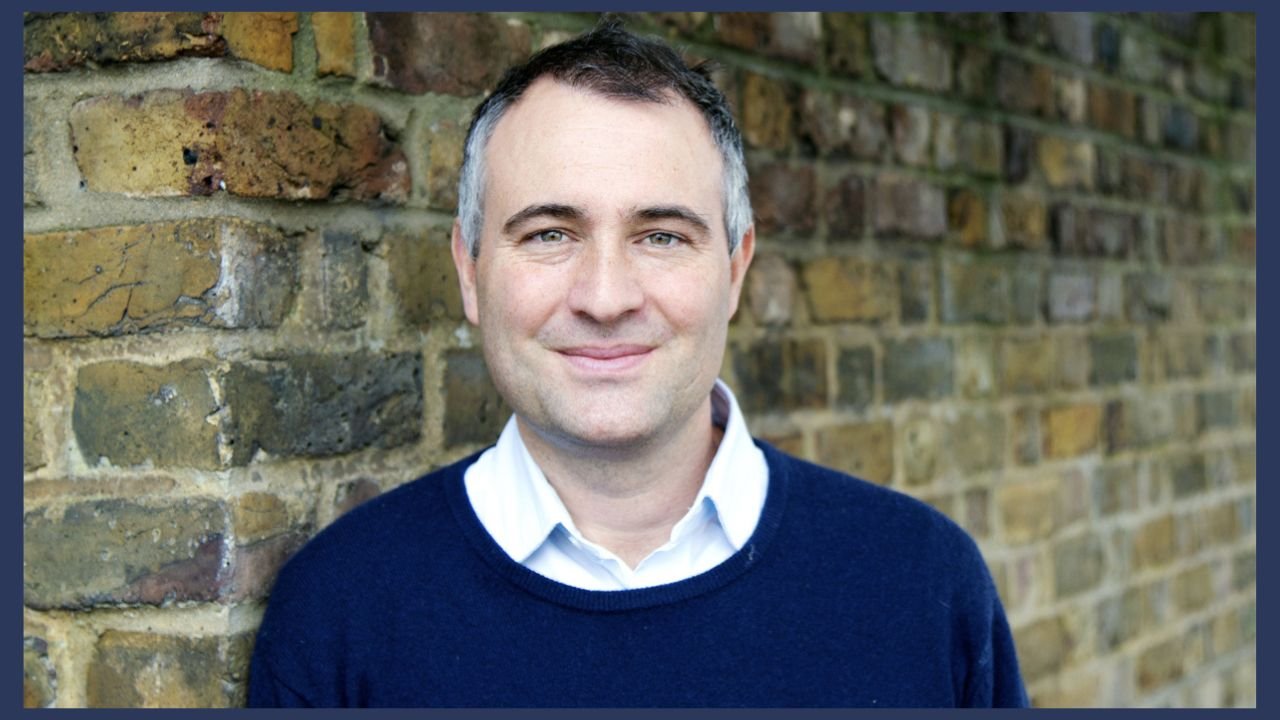
Ben Goldsmith has become one of the most visible and influential figures in the global movement to restore the natural world. Known for his unique combination of financial expertise and environmental passion, he bridges the gap between the boardroom and the wild. As we progress through 2026, his work continues to shape how governments and businesses view the environment. By treating nature as an asset rather than a resource to be depleted, he has sparked a quiet revolution in green investment.
A Vision for Rewilding the British Landscape
One of the most significant contributions Ben Goldsmith has made involves his unwavering support for rewilding. This concept focuses on allowing nature to take the lead in restoring ecosystems that have been damaged by human activity. For example, he has been a vocal advocate for the reintroduction of “ecosystem engineers” like beavers. These animals create wetlands that naturally filter water and provide habitats for countless other species. In 2025 and 2026, these efforts have gained even more momentum as the public sees the tangible benefits of a wilder countryside.
His private estate, Cannwood, serves as a living laboratory for these ideas. By walking beyond fences and allowing rare wildflower meadows to flourish, he demonstrates that land management can be both beautiful and productive. Therefore, visitors can see firsthand how biodiversity returns when we simply give nature the space to breathe. This hands-on approach adds a level of authenticity to his advocacy that is hard to ignore. He is not just talking about change; he is living it and showing others the way forward.
The Intersection of Finance and Sustainability
Ben Goldsmith understands that for environmental change to be permanent, it must make economic sense. This realization led him to co-found several green investment firms, including WHEB Asset Management and Menhaden Resource Efficiency. These companies prove that investing in resource efficiency and renewable energy is not just good for the planet but also profitable for investors. By focusing on industrial efficiency and waste reduction, he helps businesses lower their carbon footprint while increasing their bottom line.
In 2026, the global shift toward “natural capital” has become a central theme in the financial world. Consequently, projects that restore forests or protect oceans are now viewed as valuable long-term investments. Goldsmith has been a pioneer in this field, helping to create frameworks that allow capital to flow toward nature restoration. He argues that we cannot have a healthy economy on a dying planet. Therefore, his work ensures that the financial systems of the future are built on a foundation of ecological health.
Philanthropy and the Conservation Collective
While his business ventures are impressive, Ben Goldsmith’s philanthropic work is equally impactful. He founded the Conservation Collective, which is a global network of locally-focused environmental foundations. The idea is simple: people who live in a specific area are often the best people to protect it. By empowering local communities with the funds they need, the collective can tackle environmental issues from the ground up. This model has proven highly successful in places ranging from the Mediterranean to the Caribbean.
In addition to this network, he chairs the JMG Foundation, which focuses on large-scale environmental challenges. These philanthropic efforts allow him to take risks on innovative projects that might not yet be ready for traditional investment. For instance, funding for early-stage species reintroduction programs often comes from these foundations. As a result, many successful conservation stories began as small, philanthropist-funded pilot programs. His ability to identify and support these high-impact initiatives has made him a key player in global conservation circles.
Influencing Policy and Environmental Governance
Ben Goldsmith has also made significant strides in the political arena. He served as a non-executive director at the Department for Environment, Food and Rural Affairs (DEFRA) for several years. During this time, he helped shape policies that moved the UK toward more sustainable farming practices. He was a major supporter of the Environmental Land Management scheme, which rewards farmers for providing public goods like clean water and healthy soil. This shift in policy represents a major victory for the environment and the future of British agriculture.
Even after leaving his official government role, he remains a powerful voice in policy discussions. In 2025 and 2026, he has been at the forefront of debates regarding the legality of beaver reintroduction and the protection of wild rivers. While he often faces opposition from those who favor traditional land use, his arguments are consistently backed by science and economic data. Consequently, he has earned the respect of many who were initially skeptical of his vision. He continues to push for bold action, believing that the time for small, incremental changes has passed.
Nattergal and Scaling Nature Restoration
A more recent venture that highlights his ambition is Nattergal. This company aims to rewild landscapes and seascapes at a massive scale. By using private capital to buy and restore large tracts of land, Nattergal is proving that nature restoration can be a viable business model. This is crucial because government funding and philanthropy alone cannot solve the biodiversity crisis. We need large-scale private investment to meet the ambitious environmental goals set for the coming decades.
The work at Nattergal involves complex planning and stakeholder engagement. For example, the team must work closely with local communities and farmers to ensure that rewilding projects benefit everyone. In 2026, Nattergal’s sites have become beacons of hope, showing that even degraded land can be brought back to life. These projects provide jobs, boost local tourism, and sequester carbon, making them a win for both people and the planet. Goldsmith’s role in leading this charge shows his commitment to finding practical, scalable solutions to global problems.
Personal Journey and the Calling to Nature
To understand Ben Goldsmith, one must also look at his personal connection to the natural world. In his memoir, God Is An Octopus, he shares how his love for nature helped him navigate a period of intense personal grief. This book reveals a deeply spiritual side to his environmentalism. He views the natural world not just as a system to be managed, but as a source of healing and wonder. This perspective resonates with many people who feel a growing sense of “eco-anxiety” in the modern world.
His writing encourages readers to slow down and notice the beauty of the world around them. For instance, he often talks about the joy of seeing a rare bird or the peace found in an ancient woodland. By sharing these personal moments, he makes the abstract concept of “environmentalism” feel accessible and human. He reminds us that we are all part of nature, and our well-being is inextricably linked to the health of the earth. This message has become even more poignant in 2026, as more people seek a deeper connection with the outdoors.
Challenges and Controversies in the Green Movement
Of course, leading such a high-profile life in environmentalism is not without its challenges. Ben Goldsmith has often found himself at the center of heated debates, particularly regarding the balance between food production and rewilding. Some critics argue that rewilding takes away valuable land that should be used for farming. However, Goldsmith counters this by pointing out that much of the land targeted for rewilding is marginal and unproductive. He believes that by restoring this land, we can actually support food security in the long run by protecting pollinators and improving soil health.
In early 2026, there were even rumors linking him to various political parties and their nature policies. While some of these reports were later clarified as inaccurate, they show how influential his opinions have become. People on all sides of the political spectrum are interested in what he has to say about the future of the British countryside. Navigating these political waters requires a thick skin and a clear sense of purpose. Despite the noise, he remains focused on his core mission: bringing more nature back to our world.
The Role of Technology in Modern Conservation
While his heart is in the wild, Ben Goldsmith is also a fan of using modern technology to protect it. In 2025 and 2026, we have seen a surge in the use of drones, satellite imaging, and AI to monitor biodiversity. These tools allow conservationists to track animal movements and forest growth with incredible precision. Goldsmith has been an early adopter of these technologies, integrating them into his various projects. For example, Nattergal uses advanced data analytics to measure the “natural capital” of its sites.
This data-driven approach is essential for attracting large-scale investors. They need to see measurable results and clear metrics of success. By combining the magic of nature with the rigor of data science, Goldsmith is helping to build a more professional and transparent conservation sector. This bridge between high-tech solutions and ancient landscapes is a hallmark of his modern approach. It shows that we can use the best of human innovation to protect the best of the natural world.
Inspiring the Next Generation of Environmentalists
One of the most enduring parts of Ben Goldsmith’s legacy will be the people he inspires. Through his podcasts, writing, and public speaking, he reaches a diverse audience of all ages. He often speaks at universities and schools, encouraging young people to consider careers in green finance or conservation. He believes that the “green transition” will be the greatest economic opportunity of the 21st century. Therefore, he wants to ensure that the next generation has the skills and the passion to lead it.
His message is one of hope and action. While he acknowledges the severity of the environmental crisis, he refuses to give in to despair. Instead, he points to the many successful restoration projects around the world as proof that change is possible. In 2026, this positive outlook is a powerful motivator. It encourages people to get involved in their local communities and to think about how they can make a difference in their own lives. He is a mentor to many and a champion for the idea that everyone has a role to play in protecting our planet.
Looking Ahead: The Future of Global Rewilding
As we look toward the future, the vision shared by Ben Goldsmith is becoming increasingly mainstream. Governments around the world are setting ambitious targets for nature restoration, and the private sector is following suit. In 2026, the discussion has moved from “whether” we should protect nature to “how” we can do it most effectively. Goldsmith continues to be at the heart of these conversations, offering practical advice and bold new ideas.
His future plans include expanding the reach of the Conservation Collective and launching even more ambitious rewilding projects. He is also exploring the potential for “seascapes,” recognizing that our oceans are just as in need of restoration as our land. The challenges ahead are significant, but so are the opportunities. With leaders like Ben Goldsmith at the helm, there is a real sense that we can turn the tide on biodiversity loss. He remains a dedicated, passionate, and effective advocate for a wilder and more prosperous world.
READ MORE: Greg Jackson and Octopus Energy: The Global Power Shift 2025-2026
