

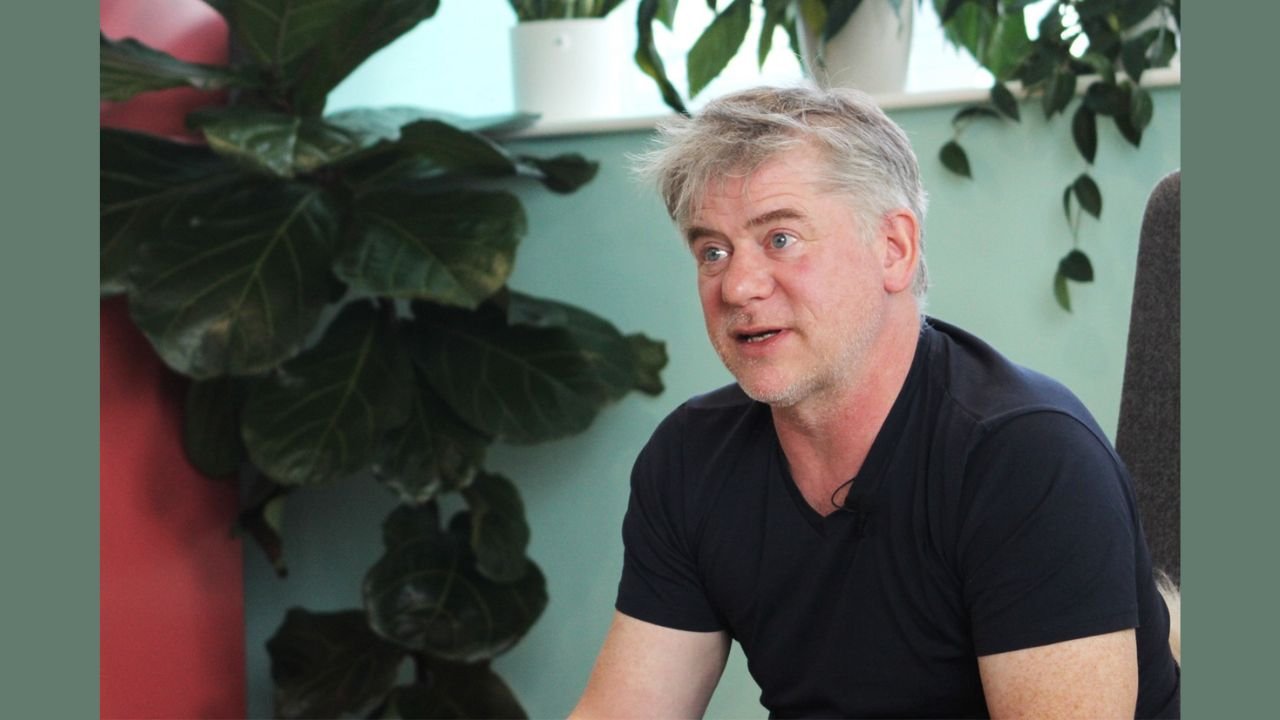
The energy sector in the United Kingdom has faced a decade of unprecedented change, yet one name remains a constant force for innovation. Greg Jackson, the founder and Chief Executive Officer of Octopus Energy, has transformed his company from a small disruptor into the nation’s largest electricity supplier. As we move through the early months of 2026, his influence extends far beyond the borders of Britain. This article explores the leadership of Greg Jackson, his role in shaping national energy policy, and the massive global expansion of the Octopus brand.
The Leadership of Greg Jackson at Octopus Energy
Under the guidance of Greg Jackson, Octopus Energy has navigated the complex economic landscape of 2025 and 2026 with remarkable agility. By the first quarter of 2026, the company captured approximately 25% of the UK market, serving over 7.7 million households. This growth is not merely the result of acquiring failing competitors but stems from a deep-rooted commitment to technical efficiency. Greg Jackson has always maintained that energy companies should behave like technology firms rather than traditional utilities.
One of his most significant internal policies is the “Zero Fudge” rule, which demands absolute clarity and accountability within the organization. He believe that transparency is the only way to build lasting trust with consumers. Therefore, he has championed AI-powered operations that keep costs per customer significantly lower than the industry average. Because of these efficiencies, Octopus has been able to reinvest profits into customer support and renewable energy development throughout 2026.
Strategic Innovation Through Kraken Technologies
A major milestone for Greg Jackson in early 2026 was the successful spin-off of Kraken Technologies as an independent entity. This proprietary software platform acts as the “operating system” for the global energy transition. By licensing this technology to other providers in Japan, Germany, and Australia, the platform now manages over 100 million customer accounts worldwide. This strategy allows Octopus to grow as a global technology exporter while maintaining its retail strength.
Furthermore, the Kraken platform enables the company to manage renewable assets worth billions of pounds with incredible precision. For example, it allows for the seamless integration of “Fan Club” tariffs, which offer cheaper power to people living near wind turbines. Greg Jackson argues that local communities should benefit directly from the green energy generated in their backyards. Consequently, this model has become a blueprint for how to win public support for the transition to a net-zero economy in 2026.
Economic Perspectives and Public Advocacy
Beyond his business success, Greg Jackson is a highly visible figure in the debate over British energy policy. He frequently appears on major political programs to discuss the impact of global events on household bills. During early 2026, he has been a vocal advocate for decoupling electricity prices from gas prices to reflect the lower cost of renewables. He believes that the current system unfairly penalizes consumers who want to go green.
In addition to his media appearances, he joined the Cabinet Office in August 2025 to help drive the modernization of the UK’s energy infrastructure. His role involves advising the government on how to strip away the regulatory “red tape” that slows down the connection of new solar and wind farms. Because he understands the technical hurdles of the grid, his advice is vital for reaching the nation’s clean power targets by 2030.
Navigating Volatility and Middle East Conflicts
The year 2026 has brought fresh challenges for the energy market due to ongoing geopolitical tensions. Greg Jackson has been transparent with customers about how these conflicts affect the price of gas and electricity. For instance, in April 2026, he explained that while wholesale prices had risen, Octopus would work to limit the impact through its variable tariffs. He often notes that the only long-term solution to global volatility is to build more domestic, renewable power.
Moreover, he has faced scrutiny over the timing of price changes for electric vehicle tariffs like Octopus Go. While some customers expressed frustration over short notice periods, he defended the firm’s actions by highlighting that their rates remain significantly below the price cap. Therefore, he continues to prioritize long-term value over short-term public relations. His ability to handle these difficult conversations with “plain English” and logic is a hallmark of his leadership style.
Global Expansion and Renewable Investments
The vision of Greg Jackson has always been global, and 2025-2026 has seen Octopus Energy expand into new continents. In early 2026, the company announced a $1 billion investment in clean technology projects in California. This move was designed to bring American innovation back to the UK while establishing a firm foothold in the US market. By exporting the Octopus model, he is helping to accelerate the global shift toward electrification.
Furthermore, he has spearheaded major projects in Africa and Asia. Through a strategic pact with Masdar, Octopus is working to turbocharge clean energy systems in developing nations. In late 2025, the company also ramped up its investments in Spanish solar farms and German wind power. Because he views the climate crisis as a global challenge, he believes that the solution must involve large-scale international cooperation and private capital.
Turbocharging the UK Green Revolution
In addition to global ventures, Greg Jackson has committed Octopus to a £2 billion investment in the UK’s green energy sector by 2030. This includes massive projects in offshore wind and agrivoltaics, where solar panels are integrated with working farms. In 2026, he highlighted a new partnership in East Anglia that will power hundreds of thousands of homes. He believes that the UK can become a “clean energy superpower” if it continues to invest in these cutting-edge technologies.
In addition, he has focused on the decarbonization of heating through the promotion of heat pumps. Through a joint venture with Legal & General, Octopus has made the UK’s largest-ever investment in ground-source heat pump technology. He argues that moving away from gas boilers is essential for both the planet and national energy security. By the middle of 2026, the company had installed thousands of these systems, proving that the technology is ready for mass adoption.
The Future of Octopus: Private Growth vs. Public Listing
A major topic of discussion in 2026 has been the possibility of an Octopus Energy IPO. However, Greg Jackson has chosen to keep the company private for now, bypassing a traditional stock market listing. He believes that staying private allows the firm to focus on long-term innovation rather than meeting quarterly earnings targets. This approach led to a staggering $12 billion valuation for the group by early 2026.
Instead of a full IPO, he has focused on targeted private funding rounds and spinning off specific divisions like Kraken. This strategy has provided the company with the capital it needs to grow while maintaining its “buccaneering” entrepreneurial spirit. Therefore, he remains in full control of the company’s direction, ensuring it stays true to its original mission of making energy cheaper, greener, and better.
A Focus on Customer Service and Community
Despite the company’s massive size, Greg Jackson insists on maintaining a high standard of customer service. Octopus has been a “Which? Recommended Provider” for nine consecutive years as of 2026. He often shares stories of his childhood in 1970s Yorkshire to explain his drive for value and efficiency. He remembers darning his own socks to save money, a lesson that he applies to how he manages the company’s resources today.
Furthermore, he has supported unique community initiatives, such as providing £150 million in bill relief for vulnerable households during periods of high prices. He believes that businesses have a moral obligation to protect their customers during times of crisis. Because he acts on these principles, he has become one of the most trusted business leaders in the country. His leadership proves that it is possible to build a multi-billion dollar giant while keeping a human touch.
Summary: The Impact of Greg Jackson in 2026
In conclusion, Greg Jackson is a transformative figure whose work has fundamentally changed the British energy market. His journey through 2025 and 2026 shows a leader who is equally comfortable in a government boardroom or a tech lab. By building Octopus Energy on a foundation of proprietary technology and radical transparency, he has outpaced older, more established rivals.
His commitment to the green transition is not just about environmentalism; it is about building a more resilient and affordable economy. Through the global reach of Kraken and the massive investment in renewable infrastructure, he is helping to shape a cleaner future for the entire planet. Whether he is debating energy policy in the House of Lords or launching a new wind farm in Europe, the influence of Greg Jackson is undeniable. As we move deeper into 2026, his vision will remain a guiding light for the global energy industry.
One thing is certain: the “Octopus model” is here to stay. Through constant innovation and a refusal to accept the status quo, Greg Jackson has shown that the future of energy is electric. He has built a company that works for its customers, its shareholders, and the planet. As the world continues to grapple with the challenges of climate change and energy security, his leadership will be more important than ever.
READ MORE: Goutabio in 2026: The Ultimate Guide to Modern Biotech Integration
