

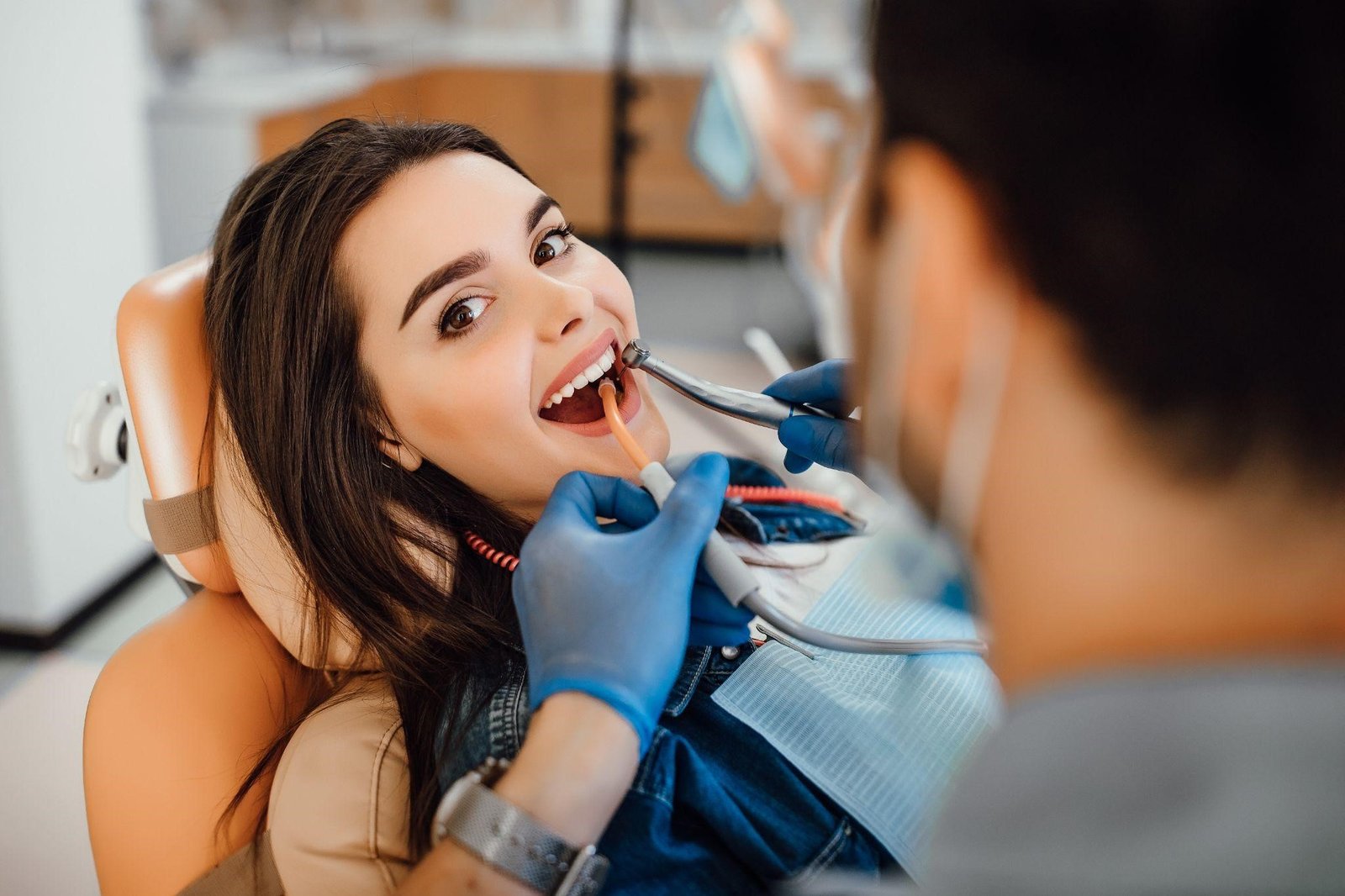
Ask someone in Cardiff how long they’ve waited for an NHS dental appointment and you’ll often hear a number that sounds more like a story than a statistic. Months, sometimes longer, just to get seen for something routine. That wait has quietly pushed a lot of people towards a private dentist, not because they set out wanting to, but because the alternative stopped feeling realistic.
The Waiting List Problem Is Bigger Than It Looks
NHS dentistry in Wales has been under strain for years, and that pressure has only grown. Some NHS practices in and around Cardiff aren’t taking on new patients at all, and those that are often have waiting lists stretching well beyond what most people would consider reasonable for something like a check-up or filling.
This isn’t a temporary blip. Workforce shortages, funding constraints and rising demand have combined to create a situation where NHS capacity simply hasn’t kept pace with the number of people trying to access it. For many, that’s the moment a private dentist stops being a luxury consideration and starts being the only practical route to timely care.
What People Are Actually Weighing Up
The decision to see a private dentist rarely comes down to cost alone, even though cost is usually the first thing people mention. It’s really a trade-off between waiting and paying, and different patients land on different sides of that depending on their circumstances.
Someone with a genuinely urgent problem, a broken tooth or ongoing pain, often can’t wait for an NHS slot that might be months away. Booking with a private dentist means being seen within days rather than waiting for capacity to open up. For anyone in discomfort, that speed alone often settles the decision.
Others choose a private dentist for reasons that have nothing to do with urgency. Longer appointment times, more flexibility around scheduling, and access to treatments not routinely available on the NHS, like invisalign or composite bonding, all factor into why people make the switch even when they’re not dealing with an emergency.
The Cost Difference Is Real, But It’s Not the Whole Story
It’s true that seeing a private dentist costs more upfront than NHS treatment, which operates on a banded pricing system. That difference matters, and it’s a genuine barrier for some patients, which is worth acknowledging honestly rather than glossing over.
But framing this purely as NHS being cheap and private being costly misses part of the picture. NHS treatment, while lower cost per visit, often means longer waits between appointments and less flexibility in scheduling. For patients who need ongoing treatment, several visits spaced months apart because of availability, the cumulative time cost can be significant even if the money cost is lower.
A private dentist typically offers more predictable scheduling, meaning treatment plans move at a pace set by clinical need rather than appointment availability. For some patients, that predictability is worth the extra cost. For others, it isn’t, and that’s a genuinely personal decision rather than one with a universally correct answer.
Who Tends to Make the Switch
Patients needing complex or multi-stage treatment, such as implants or orthodontics, are among the most likely to choose a private dentist, largely because these treatments require several appointments over months, and NHS waiting times between each stage can slow things down considerably.
Working patients juggling limited time off are another common group, since a private dentist can often offer early morning, evening or weekend appointments that fit around a working week more easily than NHS availability allows.
Families with young children sometimes make the switch too, not out of urgency, but because consistent, flexible appointment availability makes it easier to keep up with routine care without repeatedly rearranging work or school schedules around whatever slot becomes available.
Making an Informed Choice
Anyone weighing up whether to see a private dentist is better placed asking a few direct questions first. What’s the realistic current waiting time for NHS treatment in the area? Is the issue urgent enough that a delay carries genuine risk? Would routine, predictable appointment scheduling make a meaningful difference to managing the treatment long term?
There’s no single right answer, and plenty of patients continue receiving good care through the NHS despite the waits. The point isn’t that one system is broken and the other isn’t. It’s that more Cardiff patients are now making an informed, practical choice between the two rather than defaulting to whichever they’d always used before.
A Reflection of Wider Pressures
Cyncoed Dental Practice, like other providers offering private care in the city, has seen this shift play out directly, with more enquiries coming from patients citing NHS waiting times as their primary reason for looking elsewhere. It’s a pattern shaped by national pressures on NHS dentistry, not something unique to one practice or one part of Cardiff.
Final Thoughts
Choosing a private dentist over NHS care isn’t really about one being better than the other in absolute terms. It’s about weighing waiting times, flexibility and cost against individual circumstances, and increasingly, Cardiff patients are finding that a private dentist offers a level of predictability that current NHS capacity simply can’t match right now.
