

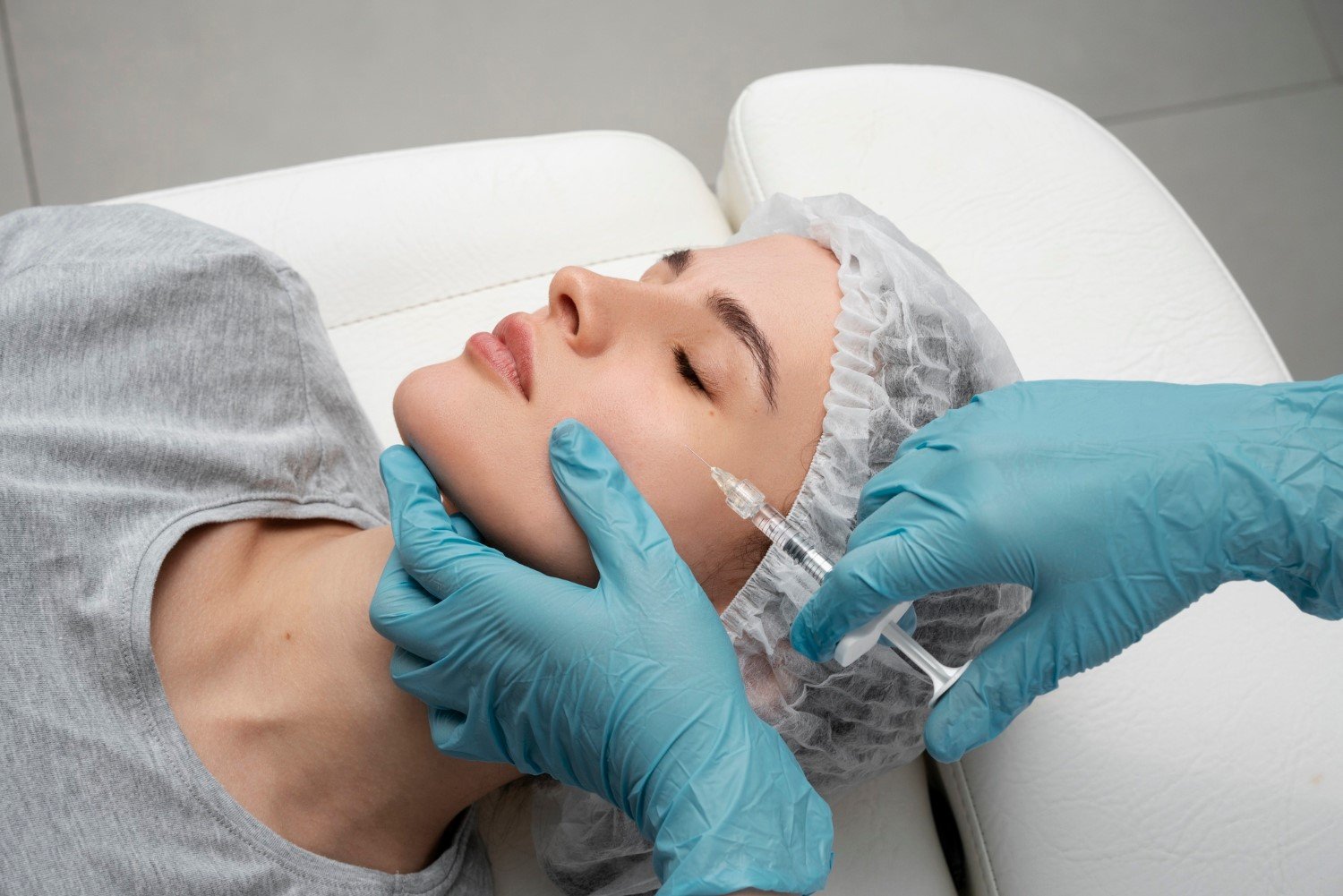
For years, fillers carried a certain reputation, plump lips, exaggerated cheekbones, a look that was easy to spot from across a room. That’s changed. Across Manchester, more people are asking for the opposite: results that enhance their features without anyone being able to point to exactly what’s different. It’s a shift that’s reshaping how practitioners approach treatment altogether.
From Obvious to Undetectable
The overfilled look dominated cosmetic trends for a long stretch, partly driven by a handful of influencers whose results became the reference point for what fillers were supposed to look like. That’s no longer the goal for most people booking treatment. The current preference leans toward soft, proportionate changes that work with someone’s natural bone structure rather than overriding it.
This shift shows up clearly in how people describe what they want during a consultation. Rather than asking for more volume, many now ask for balance, correcting a slight asymmetry, softening a specific line, restoring volume lost gradually with age rather than adding something that wasn’t there before.
Why Manchester Has Followed This Shift
Manchester’s aesthetics scene has grown quickly over the past several years, and with that growth has come a more informed patient base. People researching fillers today tend to look closely at before-and-after examples, read up on technique, and ask far more detailed questions than they might have a few years ago.
That increased awareness has pushed practitioners across the city to adjust their approach. Subtle, natural-looking fillers require more precision than dramatic ones, smaller amounts, more careful placement, and a willingness to say no when a patient’s request would look unnatural on their particular face shape.
What “Natural” Actually Means in Practice
Natural doesn’t mean minimal effort. It means fillers placed with enough restraint and accuracy that the result reads as the person simply looking well-rested rather than visibly treated. Getting there takes a proper understanding of facial proportion, not just knowledge of where to inject.
This is one reason more people are choosing practitioners with a dental or medical background for fillers rather than a quick salon appointment. Facial anatomy training gives a practitioner a working sense of how small volume changes affect the whole face, not just the treated area.
Setting Expectations Before Treatment
A good consultation for fillers should involve more listening than selling. Questions about what you’re hoping to change, honest feedback about what’s realistic for your face, and a clear explanation of how much product is needed all matter more than rushing straight into treatment.
Overfilling isn’t just a cosmetic risk. It can also affect how a face moves and ages over time, which is part of why the shift toward smaller, more considered amounts has become the sensible standard rather than a passing preference.
Choosing a Practitioner in Manchester
With so many providers now offering fillers across Manchester, it’s worth taking a bit of time before booking. A practitioner should be able to explain their approach clearly, show genuine examples of previous results, and talk through risks honestly rather than glossing over them.
Practices such as Whitefield Dental Practice, working from a clinical rather than purely cosmetic background, tend to bring that same considered approach to fillers, treating it as a precise medical procedure rather than a quick beauty fix. That distinction is increasingly what separates a good outcome from a disappointing one.
Final Thoughts
The move toward natural-looking fillers reflects a broader change in what people across Manchester want from cosmetic treatment, subtlety over spectacle, and results that age well rather than dating quickly. As practitioners continue refining their approach around this preference, fillers are increasingly being seen as a considered, precise treatment rather than a dramatic transformation.
