

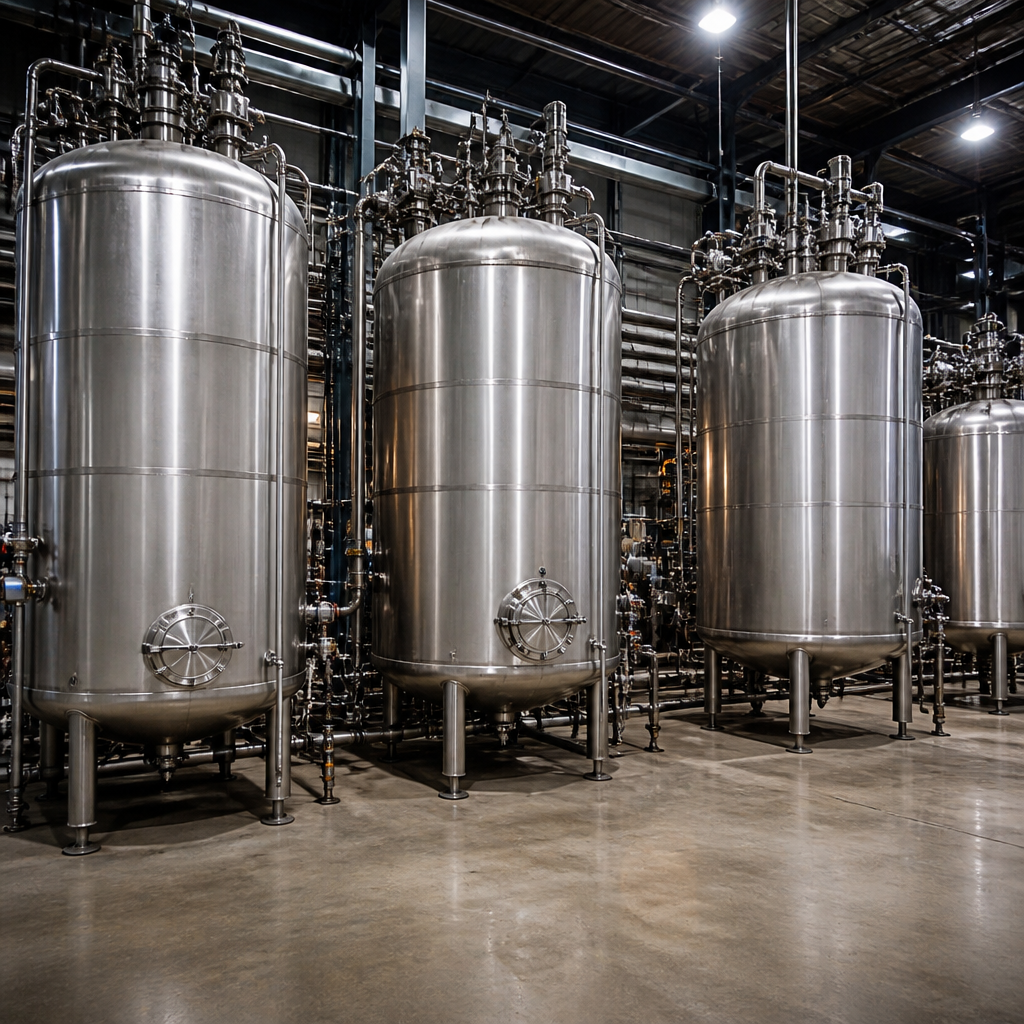
In the world of industrial process engineering, capital expenditure decisions carry enormous weight. Whether you are commissioning a new facility, expanding an existing plant, or replacing aging infrastructure, the cost of process equipment can quickly escalate beyond initial projections. One of the most practical and financially sound strategies that procurement managers and plant engineers have increasingly adopted is sourcing pre-owned process vessels and storage solutions. The market for used industrial tanks has matured considerably, offering buyers access to high-specification equipment at a fraction of the original cost — without compromising on safety, compliance, or operational performance.
The Strategic Case for Pre-Owned Process Vessels
Industrial tanks serve as the backbone of countless process operations — from chemical manufacturing and food processing to pharmaceutical production and water treatment. These vessels store, blend, heat, cool, and transport critical materials throughout a facility’s workflow. Given their central role, the decision to invest in new versus used equipment deserves careful analysis rather than reflexive assumptions about quality.
Pre-owned tanks, when properly inspected and certified, frequently offer the same structural integrity and functional reliability as new units. Many industrial tanks are decommissioned not because of wear or failure, but because of facility closures, process redesigns, or capacity changes. This means the secondary market is regularly stocked with equipment that has years of serviceable life remaining. For buyers operating under tight capital budgets or aggressive commissioning timelines, this represents a compelling opportunity.
Cost Savings Without Compromising Specification
The cost differential between new and used process tanks can be substantial — often ranging from 40% to 70% savings depending on the vessel type, material of construction, and age. Stainless steel tanks, jacketed reactors, pressure vessels, and mixing tanks that would command six-figure prices when ordered new can frequently be sourced through reputable dealers at a fraction of that investment. These savings can be redirected toward installation, instrumentation, or process optimization — areas that directly impact operational efficiency and output quality.
Beyond the purchase price, lead times also factor significantly into the value equation. Custom-fabricated tanks can take months to manufacture and deliver. Used tanks, by contrast, are often available for immediate inspection and rapid delivery, enabling faster project completion and earlier return on investment.
What to Evaluate When Sourcing Used Industrial Tanks
Not all used equipment is created equal, and due diligence is essential when evaluating pre-owned process vessels. A structured inspection protocol should cover several key areas to ensure the tank meets your operational requirements and applicable regulatory standards.
Material Integrity and Corrosion Assessment
The material of construction — whether carbon steel, stainless steel, fiberglass, or lined vessels — must be assessed for corrosion, pitting, weld integrity, and wall thickness. Non-destructive testing methods such as ultrasonic thickness measurement and dye penetrant inspection are standard tools used by qualified inspectors to evaluate vessel condition without disassembly. Any reputable supplier should be able to provide inspection records or facilitate independent assessment prior to purchase.
Compliance with Pressure and Safety Standards
Pressure vessels must comply with applicable codes such as ASME, PED (Pressure Equipment Directive), or other regional standards. Buyers should verify that the tank carries appropriate certification documentation and that any pressure ratings remain valid. Atmospheric storage tanks, while subject to different regulatory frameworks, still require verification of structural soundness and compatibility with intended contents.
Process Compatibility and Contamination History
Understanding what materials the tank previously stored is critical, particularly for food-grade, pharmaceutical, or chemical applications. Contamination history, cleaning records, and previous service conditions should all be disclosed by the seller. In sensitive applications, independent laboratory testing of internal surfaces may be warranted before the vessel is placed back into service.
Integrating Used Tanks into Broader Process Systems
Tanks rarely operate in isolation. They are integrated components within larger process systems that include pumps, heat exchangers, instrumentation, and piping networks. When sourcing used vessels, it is important to consider how they will interface with existing or planned infrastructure. Nozzle configurations, inlet and outlet sizing, agitator mounting provisions, and jacket connections must all align with system requirements — or be modified accordingly.
For facilities managing complex fluid handling systems, understanding the full process loop is essential. For example, boiler feed water systems — which involve precise control of water chemistry, temperature, and pressure — rely on well-matched components throughout the circuit. Readers interested in the technical nuances of fluid transfer in such systems can explore this detailed overview of boiler feed water pump considerations, which highlights how pump selection and system design interact in demanding process environments.
International Process Plants: A Trusted Source for Used Process Equipment
For engineers and procurement professionals seeking reliable access to quality pre-owned vessels, working with an established and reputable dealer is paramount. International Process Plants has built a strong reputation in the industrial equipment marketplace by offering a broad inventory of process vessels, reactors, and storage tanks sourced from decommissioned facilities worldwide. Their rigorous approach to equipment evaluation and transparent documentation gives buyers the confidence to make informed purchasing decisions. If you are actively searching for used tanks for sale, their inventory represents one of the most comprehensive and professionally managed selections available in the secondary market today.
Digital Tools and Resources Supporting Industrial Procurement
The procurement landscape for industrial process equipment has been transformed by digital platforms and online resources that help buyers research, compare, and evaluate options more efficiently than ever before. From technical specification databases to supplier directories and industry publications, the information available to today’s plant engineers is vastly richer than it was even a decade ago. Platforms dedicated to process industry news and technology, such as Aguaris coverage on Byte Magazine, reflect the growing intersection of digital innovation and industrial operations — offering insights that help professionals stay current with emerging trends in water management, process technology, and sustainability.
Making the Right Decision for Your Facility
The decision to source used process tanks is not simply a cost-cutting measure — it is a strategic choice that, when executed with proper due diligence, delivers genuine value across multiple dimensions. Capital savings, faster project timelines, access to proven equipment designs, and reduced environmental impact from manufacturing new units all contribute to a compelling case for the secondary equipment market.
Plant managers and procurement teams that approach used equipment sourcing with the same rigor they apply to new purchases — verifying specifications, conducting independent inspections, and working with credible suppliers — consistently achieve outcomes that meet or exceed their operational objectives. The key lies not in the age of the equipment, but in the quality of the evaluation process and the expertise of the partners involved.
Conclusion
As industrial facilities face increasing pressure to optimize capital deployment while maintaining operational excellence, the market for used process tanks continues to grow in both depth and credibility. With the right approach to sourcing, inspection, and integration, pre-owned vessels can deliver outstanding performance and long-term value. Whether you are outfitting a new plant or upgrading an existing operation, exploring the used equipment market is a decision that deserves serious consideration — and the right supplier partnership makes all the difference.
