

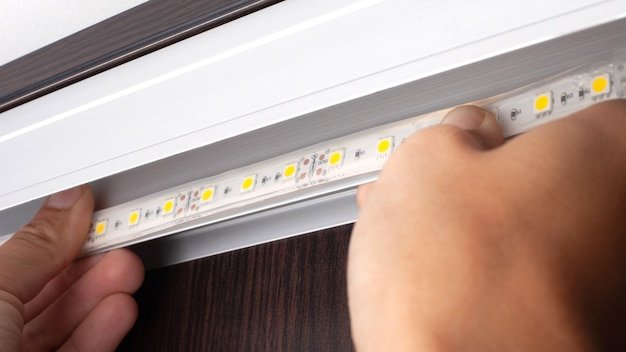
Start With the Purpose of the Fitting
Buying LED lighting online gives homeowners, landlords, tradespeople and business buyers access to a much wider choice than they may find locally. The challenge is that product pages can include several technical details, and fittings that look similar may be designed for very different uses. A few checks before ordering can prevent delays, returns and unsuitable installations.
Begin by defining what the light needs to do. A decorative pendant above a dining table has a different purpose to a high-output batten in a garage. A bathroom downlight needs suitable protection against moisture, while a warehouse fitting may need higher lumen output and robust construction. The location, room size, operating hours and installation method should guide the product choice.
For replacement projects, record the details of the existing fitting. Measure its length, width, cut-out and mounting position. Note the current light colour and any controls such as dimmers, sensors or emergency packs. This information makes it easier to compare products accurately.
Read Beyond the Product Photograph
Online images are useful, but the technical specification should make the final decision. Retailers such as Light Hub Direct list products for domestic rooms, outdoor areas and commercial premises, so buyers can compare fittings by type, size, IP rating, colour temperature and additional functions.
Check the full dimensions, not only the advertised size. A product described as a 5ft batten may have a body length that differs slightly from an older fluorescent fitting. A downlight may need more ceiling depth than expected because of its driver or terminal arrangement. Wall lights may project further than the photograph suggests.
The construction material and finish also matter. Plastic non-corrosive battens can be useful in garages, workshops and damp environments, while metal fittings may be selected for offices, retail spaces or interiors where appearance has greater importance. The specification should explain where the fitting is intended to be used.
Understand Lumens, Watts and Efficiency
Many people still compare lights by wattage, but wattage shows power consumption rather than brightness. Lumens indicate how much visible light a product produces. Two LED fittings with the same wattage can have different lumen outputs because their efficiency and design differ.
For a direct replacement, compare the light output of the old and new fittings where that information is available. In larger rooms, consider how many fittings will be installed and how the light will be distributed. One very bright light can create glare and shadows, while several lower-output fittings may provide more even coverage.
Efficiency is often expressed as lumens per watt. A higher figure generally means more light is produced for each unit of electricity used. This can be important in commercial spaces where lights operate for long hours. In a small domestic room, comfort, beam angle and control may be just as important as the efficiency figure.
Choose a Suitable Colour Temperature
Colour temperature affects the appearance of a room. Warm white light has a softer tone and is often used in lounges, bedrooms and hospitality settings. Neutral white provides a cleaner appearance that suits kitchens, bathrooms, offices and many retail spaces. Daylight white is commonly chosen for workshops, garages and task-focused areas.
Product descriptions usually state the colour temperature in kelvins. Some fittings are CCT switchable, which means the installer can select one of several settings. This can reduce the risk of ordering the wrong colour and can help contractors use the same product across different rooms.
When adding lights to an existing scheme, try to match the current colour temperature. A single cool white fitting among warm white lights will usually be noticeable. Also consider colour rendering, particularly in shops, salons, kitchens and workspaces where accurate colour recognition is important.
Check IP Ratings and Special Functions
An IP rating describes protection against solid objects and moisture. The rating needed depends on the location. Outdoor lights, bathroom fittings and products used in damp or dusty areas require more protection than a standard fitting used in a dry bedroom or office.
Do not assume that every enclosed-looking product is suitable outdoors. Read the stated rating and installation guidance. Coastal areas may also require fittings designed to cope with salt exposure. For commercial or shared residential premises, features such as emergency operation, microwave sensors, corridor dimming and photocells may be relevant.
Sensor products should be chosen carefully. Microwave sensors can detect movement through some lightweight materials and may need adjustment to avoid unwanted activation. PIR sensors rely on heat movement and usually need a clear field of view. Check the detection range, mounting height and time settings before ordering.
Confirm Compatibility and Installation Requirements
LED lamps and fittings may need compatible dimmers, drivers or control systems. A product described as non-dimmable should not be connected to a dimmer. Emergency versions may require permanent and switched live supplies. Smart fittings may depend on an app, wireless connection or specific hub.
Electrical work should be carried out by a competent person. The installer can confirm circuit suitability, bathroom zones, fire-rating requirements and any changes needed to existing wiring. For commercial work, the design may also need to account for emergency lighting, workplace safety and the activities carried out in the building.
Finally, review the retailer’s delivery, returns and warranty information. Light Hub Direct offers free next-day UK shipping on orders over £50 and a 30-day returns guarantee under its published terms. Keep packaging and do not modify or install products until key details have been checked. A careful review before purchase makes online lighting orders much more reliable.
