

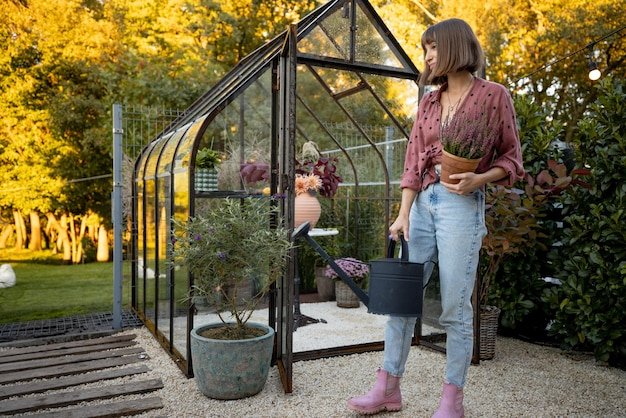
Toronto backyard gardeners know the frustration of a short growing season. For most vegetables, the reliable outdoor growing window only lasts from mid-May until mid-October. A sudden autumn frost can easily destroy months of hard work before your tomatoes and peppers fully ripen.
Building a dedicated growing structure allows you to extend these shoulder months and maximize your total harvest. Find out how you can build a budget-friendly setup to protect your plants from unpredictable weather.
Sizing Your Greenhouse for a Typical City Lot
Before you buy any materials, you need to look closely at your available yard space. Most city lots in Toronto have limited space, so a massive commercial-sized structure is out of the question. A compact footprint like six by eight feet or eight by ten feet usually fits comfortably without taking over your entire outdoor area. This size still gives you plenty of room for shelving and walkways.
You should also check your local city bylaws regarding accessory structures. In Toronto, small detached structures under ten square meters generally don’t require a building permit, but you must still follow zoning bylaws regarding property line setbacks. It’s worth pointing out that you should position the structure where it will get at least six hours of direct sunlight daily, ideally facing south or west to capture the most warmth.
Select the Best Framing Material
Your frame needs to withstand strong Ontario winds and heavy winter snow loads. The material you choose will affect both your total budget and the complexity of the building process.
Timber Frames
Wood is a highly popular choice for DIY builders because it’s easy to cut and assemble with standard tools. Pressure-treated lumber or naturally rot-resistant wood like cedar will last for years in damp conditions. A timber frame provides excellent structural strength and gives the greenhouse a traditional look that blends well with your backyard surroundings.
PVC Pipe Frames
If you want the cheapest and quickest option, PVC pipes are a viable alternative. You can bend flexible PVC conduits into hoops to create a simple tunnel shape over a wooden base. While this method keeps costs low, PVC frames are lightweight and require extra anchoring to ensure they don’t blow away during heavy autumn storms.
Aluminum Frames
Aluminum is lightweight, durable, and completely rust-proof, making it ideal for wet greenhouse environments. It offers a sleek appearance and requires virtually no maintenance over its lifespan. However, assembling a custom aluminum frame from scratch can be tricky for beginners, so most backyard gardeners buy these as pre-made kits instead of building them from raw pieces.
Choose the Right Glazing for Insulation
The material you use to cover your frame dictates how much light gets to your plants and how well the structure retains heat. Regular greenhouse plastic film is cheap, but it tears easily and offers poor insulation during chilly spring nights.
For a durable and efficient setup, many builders choose modern polycarbonate roof products for the walls and ceiling. These products are available in twinwall sheets, which feature a hollow structure that traps air to provide superior insulation against cold Toronto winds.
They also diffuse intense sunlight, which prevents your crops from scorching on clear days. You can buy these sheets supplied cut to size along with the necessary glazing bars and end caps to seal the edges completely.
Manage Summer Heat with Ventilation
While your main goal is keeping plants warm in spring and autumn, Toronto summers can get incredibly hot. A completely sealed structure will quickly turn into an oven in July, killing your crops. You must plan for adequate airflow right from the start of the build to keep temperatures stable.
Installing roof vents and louvred wall vents is the easiest way to control the internal temperature. You can even buy automatic solar-powered vent openers that expand and contract based on the temperature, opening the windows without needing electricity. It’s important to ensure that the total vent area equals at least twenty percent of the floor space to guarantee proper cross-ventilation.
Get Ready for an Earlier Spring Harvest
Building your own backyard setup is a practical project that completely changes how you garden in Ontario. It gives you the power to start seeds weeks earlier in the spring and keep harvesting hardy greens well into November. By selecting durable materials and planning for proper airflow, you create a productive space that lasts for years.
Focus on building a solid foundation first and choose materials that fit your budget and DIY skill level. With a small investment of time over a single weekend, you can bypass the limitations of the short Canadian summer and enjoy homegrown produce for a much larger portion of the year.
