

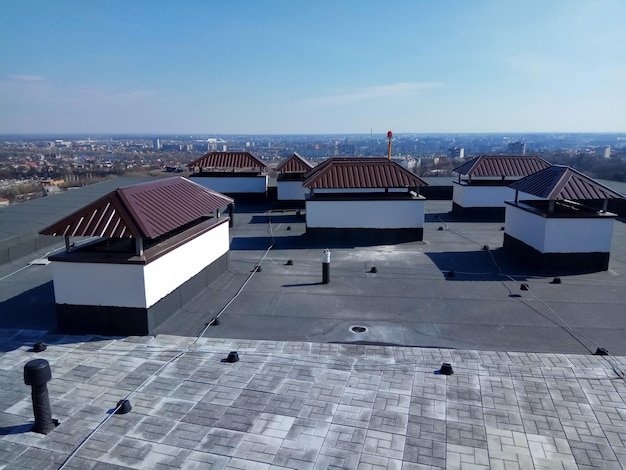
Why Roof Ventilation Is a Critical Part of Any Reroofing Project
Replacing a roof is often viewed as an opportunity to improve the appearance, weather resistance and durability of a home. New roofing materials, flashing and roof underlay receive plenty of attention during the project, but one equally important element is sometimes overlooked: roof ventilation. While it is hidden from view, ventilation plays a major role in protecting the roof structure and maintaining a comfortable indoor environment.
When ventilation is not properly considered during Sydney Reroofing, problems can begin developing long before the new roof reaches the end of its expected lifespan. Excess heat, trapped moisture and poor airflow can gradually affect both the roofing system and the home beneath it. Addressing ventilation as part of the reroofing process helps ensure the new roof performs as intended for many years.
Why Ventilation Matters
Roof ventilation allows fresh air to enter the roof space while allowing warm, humid air to escape. This continuous airflow helps regulate temperatures and prevents moisture from becoming trapped inside the roof cavity. A balanced ventilation system generally includes both intake vents, such as soffit vents, and exhaust vents, such as ridge or roof vents, working together to maintain airflow.
Without adequate ventilation, heat can accumulate beneath the roof during warmer months. This heat build-up increases temperatures inside the roof space and can place additional strain on air-conditioning systems while also exposing roofing materials to prolonged high temperatures. A poorly ventilated roof space can retain heat, making the home less energy-efficient and increasing cooling demands.
Moisture is another significant concern. Everyday household activities such as cooking, showering and washing generate water vapour that can rise into the roof space. If this moisture cannot escape through proper ventilation, condensation may form on cooler roof components. Over time, repeated condensation can contribute to mould growth, timber deterioration and other moisture-related problems.
Problems Caused by Poor Ventilation
One of the earliest consequences of poor roof ventilation is excess moisture accumulation. Condensation that forms on roof framing or other internal roof components may initially go unnoticed, but continued exposure creates favourable conditions for mould and mildew to develop. Besides affecting indoor air quality, mould can spread across timber surfaces and insulation if moisture remains trapped.
Timber components within the roof structure are also vulnerable. Persistent moisture can encourage timber decay and gradual structural deterioration. Although this damage often develops slowly, it may eventually require costly repairs if left unresolved.
Insulation performance may also decline. Damp insulation can lose some of its ability to regulate indoor temperatures, reducing energy efficiency and increasing heating and cooling costs. At the same time, prolonged heat exposure in poorly ventilated roof spaces may contribute to the premature ageing of roofing materials, potentially shortening the overall lifespan of the roof.
These issues often remain hidden for years because they occur inside the roof cavity. By the time visible signs such as ceiling stains, mould or musty odours appear, moisture damage may already be well established.
How to Get It Right
Proper ventilation should form part of the planning process whenever a roof is replaced. Every home has unique characteristics, including roof design, ceiling insulation, local climate and existing ventilation systems, all of which influence airflow requirements.
During reroofing, contractors should assess whether the existing ventilation remains suitable for the upgraded roofing system. In some cases, additional intake or exhaust vents may be required to improve airflow. It is equally important to ensure existing vents remain unobstructed and that insulation does not block soffit ventilation. Balanced intake and exhaust ventilation allows warm, moist air to escape while drawing fresh air into the roof space.
Roof design also plays a role. Complex roof shapes, extensions or converted roof spaces may require adjustments to ventilation layouts to maintain effective airflow throughout the entire roof cavity.
Professional Solutions for Long-Term Roof Performance
Because ventilation involves more than simply installing additional vents, a professional assessment is an important part of any reroofing project. Experienced roofing professionals can evaluate the condition of the existing roof space, identify moisture risks and determine whether ventilation improvements should accompany the new roof installation.
They consider factors such as roof pitch, insulation levels, ceiling air leakage, ventilation balance and the location of intake and exhaust vents. Rather than treating ventilation as an afterthought, incorporating it into the overall reroofing plan can help improve roof performance and reduce the likelihood of future moisture-related issues.
By addressing ventilation alongside roofing materials, flashing and waterproofing, homeowners gain a more complete roofing system designed to perform effectively under changing weather conditions.
Plan for Ventilation During Sydney Reroofing
A new roof represents a significant investment, and protecting that investment requires attention to every part of the roofing system, not just the visible materials. When planning Sydney reroofing, homeowners should ensure roof ventilation is properly assessed and incorporated into the project from the beginning.
Effective ventilation supports temperature regulation, reduces condensation, protects structural components and can help extend the life of the roof. By considering ventilation as an essential part of reroofing rather than an optional extra, homeowners can improve long-term durability, reduce maintenance concerns and support the overall performance of their roofing system.
FAQs
Why is roof ventilation important during reroofing?
Roof ventilation helps remove excess heat and moisture from the roof cavity, reducing the risk of condensation, mould, timber damage and premature roof deterioration.
Can poor ventilation shorten the lifespan of a new roof?
Yes. Excess heat and trapped moisture can accelerate wear on roofing materials and contribute to structural damage over time.
What are the signs of inadequate roof ventilation?
Common signs include mould in the roof space, condensation, musty odours, unusually high roof-space temperatures, damp insulation and visible moisture damage.
Does every reroofing project require a ventilation assessment?
A ventilation assessment is recommended because existing ventilation may no longer be suitable after a roof replacement or changes to insulation and roofing materials.
Can adding more roof vents solve ventilation problems?
Not always. Effective ventilation depends on achieving balanced intake and exhaust airflow rather than simply increasing the number of vents.
Should ventilation be included in a reroofing plan?
Yes. Considering ventilation during the planning stage can help improve roof performance, reduce future moisture problems and support the long-term durability of the entire roofing system.
