

Warsaw is one of those European capitals that surprises visitors almost immediately
Warsaw is one of those European capitals that surprises visitors almost immediately. At first glance, it feels modern, energetic and business-oriented. But after just a short walk through its historic streets, royal parks and riverside boulevards, it becomes clear that the city has many layers. It is a place shaped by dramatic history, impressive reconstruction, creative energy and a growing hospitality scene. That is exactly why Warsaw works so well as a destination for a long weekend.
A well-planned city break Warsaw itinerary can combine the most important monuments, relaxed sightseeing, local cuisine, museums, green spaces and time at leisure. The city is large enough to offer variety, but compact enough to discover many highlights within a few days. For travellers who want to understand Poland through its capital, Warsaw is a natural starting point.
Why choose Warsaw for a city break?
Warsaw is not a museum city frozen in time. It is a living capital where historic sites stand next to glass towers, elegant cafés, galleries, restaurants and cultural venues. This contrast is part of its appeal. Visitors can begin the day in the UNESCO-listed Old Town, spend the afternoon in Łazienki Royal Park and finish the evening in a modern restaurant, jazz club or cocktail bar.
The city also offers a strong sense of story. Warsaw was almost completely destroyed during the Second World War and later rebuilt with extraordinary determination. Its reconstructed Old Town is not only beautiful, but also symbolic. It tells a story of loss, resilience and identity. For many visitors, this is what makes Warsaw different from other weekend destinations in Europe.
Day one: arrival and first impressions
A good city break should not feel rushed from the first hour. After arrival in Warsaw, transfer to a centrally located hotel gives travellers the comfort of easy access to the main sights. Depending on arrival time, the first afternoon can be used for a gentle introduction to the city: a walk around the centre, coffee near Nowy Świat, a view of the Palace of Culture and Science or dinner in one of Warsaw’s restaurants.
This first contact with the city is important. Warsaw has a rhythm that is best discovered gradually. The architecture changes quickly from socialist-realist landmarks to elegant pre-war streets, modern office districts and historic squares. Even a short evening walk can show how diverse the Polish capital is.
Day two: Old Town, Royal Route and Łazienki Park
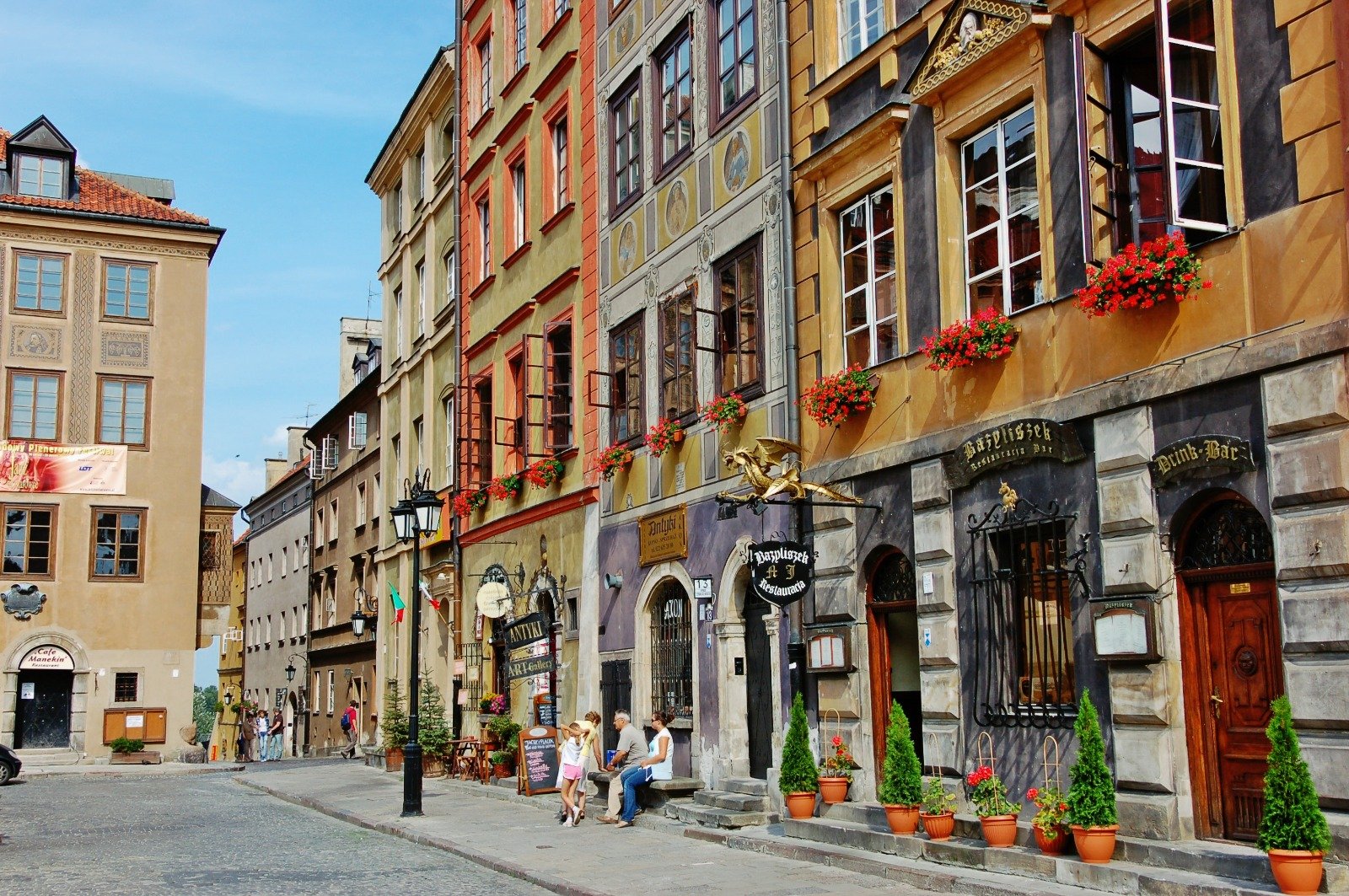
The second day is usually the heart of a Warsaw city break. A guided tour allows visitors to understand the city instead of simply moving from one attraction to another. The Old Town is the natural place to begin. Its colourful townhouses, cobbled streets, market square and Royal Castle create one of the most recognisable images of Warsaw.
Although the Old Town looks historic, much of it was carefully reconstructed after wartime destruction. This makes it especially meaningful. It is not just a picturesque district, but a monument to memory and rebuilding. From there, visitors can continue towards the New Town, Krasiński Palace, the Supreme Court building and the Warsaw Uprising Monument, each adding another chapter to the city’s story.
Later, Łazienki Royal Park offers a different atmosphere. Spacious, elegant and peaceful, it feels far removed from the pace of a major capital. The famous Chopin Monument, rose gardens, palaces, water features and green avenues make it one of the most relaxing places in Warsaw. For many travellers, this balance between history and calm is one of the highlights of the trip.
Day three: museums, culture or optional excursions
A well-designed long weekend should leave space for choice. After seeing the main city highlights, travellers may want to explore Warsaw more deeply or choose an optional excursion. The Polish capital has excellent museums, including places dedicated to the Warsaw Uprising, Polish Jewish history, vodka culture, art, science and royal heritage.
Those interested in everyday culture can explore local cafés, markets, design shops or the revitalised Praga district. Visitors looking for a broader Polish experience may choose an excursion outside the city, for example to places connected with folklore, crafts, history or regional traditions. This flexibility makes a Warsaw city break suitable for couples, small groups, senior travellers and corporate guests alike.
Food, cafés and nightlife
Warsaw’s culinary scene has changed significantly in recent years. Traditional Polish dishes such as pierogi, żurek, bigos or duck can be enjoyed in classic restaurants, while modern chefs reinterpret local flavours in creative ways. The city also has a strong café culture, from elegant patisseries to relaxed neighbourhood coffee shops.
In the evening, Warsaw becomes lively without feeling overwhelming. Rooftop bars, wine bars, music venues, riverside spots and restaurants give visitors many ways to enjoy the city after dark. For a short stay, this variety is valuable: the trip can be cultural, relaxed, romantic or energetic, depending on the traveller’s preferences.
Why travel with a planned programme?
Independent travel is possible in Warsaw, but a planned city break has clear advantages. Transfers, centrally located accommodation, guided sightseeing and optional activities reduce organisational stress. Instead of spending time checking routes, opening hours and logistics, visitors can focus on the experience itself.
This is especially useful for international travellers visiting Poland for the first time. A local travel team can help create a balanced programme, combine must-see attractions with free time and adjust the itinerary to the interests of the group. Warsaw is a city with complex history, so professional guidance often makes the visit much more meaningful.
Summary
Warsaw is an excellent destination for a long weekend because it offers much more than a quick sightseeing checklist. It combines royal heritage, wartime memory, green parks, modern culture, local cuisine and a dynamic urban atmosphere. In just a few days, visitors can experience the most important faces of the city while still having time to relax.
For travellers looking for a European capital with depth, character and strong cultural identity, Warsaw is a rewarding choice. A well-planned city break allows them to discover not only what the city looks like today, but also why it matters.
READ MORE: Plasma Pen Clinics Boomed During the Cost-of-Living Crisis
