

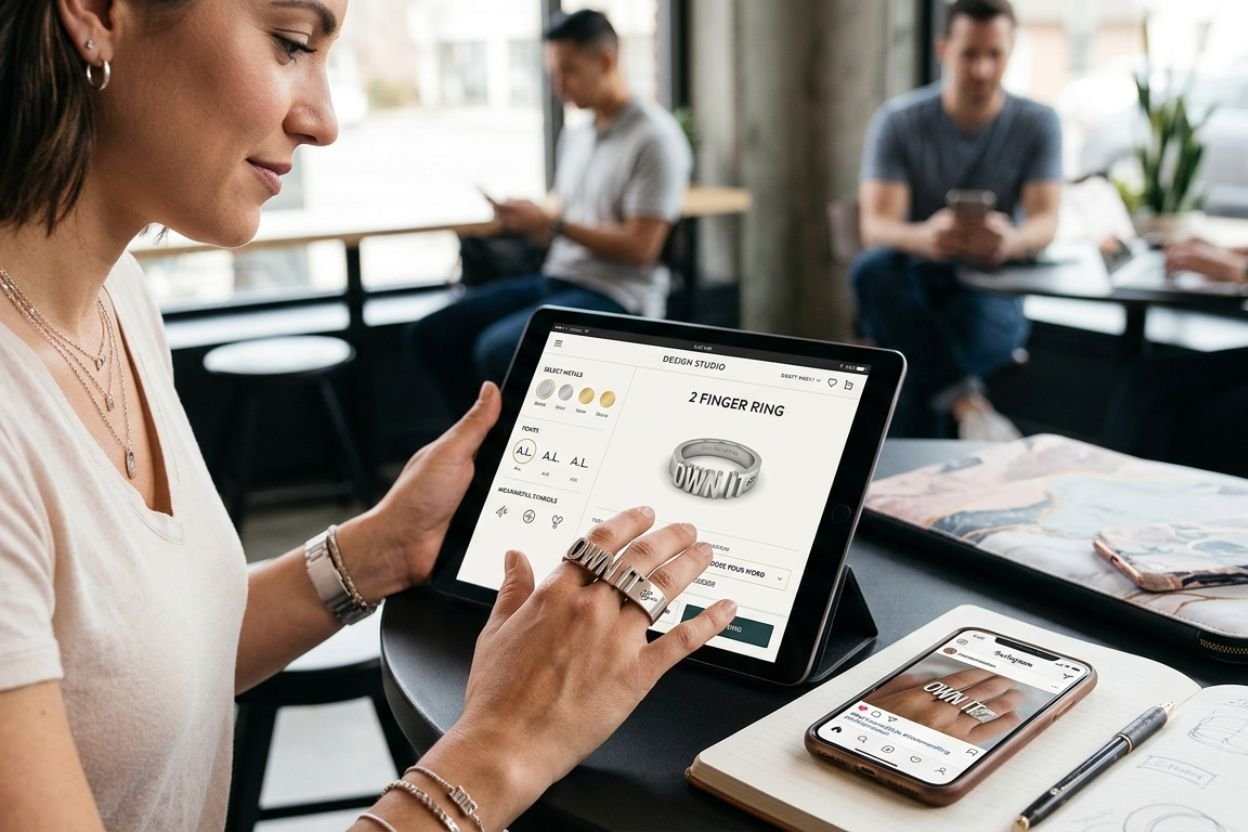
Technology has transformed nearly every aspect of modern life.
It influences how we work, communicate, shop, travel, learn, and entertain ourselves. Yet one of the most interesting changes has been less obvious: the growing role technology plays in personal identity and self-expression.
In previous generations, personal style was largely shaped by local culture, social circles, and traditional media. Fashion trends moved relatively slowly, and opportunities for customization were often limited.
Today, digital platforms have fundamentally changed the relationship between consumers and personal expression.
People are no longer satisfied with products that simply serve a function. They increasingly seek products that reflect who they are, tell their stories, and allow them to showcase individuality in meaningful ways.
As a result, personalization has become one of the most influential consumer trends of the digital era.
The Rise of Individual Identity in the Digital World
The internet has given individuals unprecedented control over how they present themselves.
Social media profiles, digital avatars, personal websites, online portfolios, and content creation platforms all allow people to build and communicate unique identities.
Consumers spend significant time curating how they appear online.
Yet an interesting shift is occurring.
As digital identities become more important, people are increasingly seeking ways to reflect those identities in the physical world as well.
The desire for personalization is no longer limited to digital experiences.
It has expanded into fashion, home décor, accessories, technology products, and even luxury goods.
Consumers want the products they own to feel personal rather than mass-produced.
Why Personalisation Has Become a Consumer Expectation
A decade ago, personalized products were often considered niche offerings.
Today, they are becoming mainstream.
Research across multiple industries consistently shows that consumers value products tailored to their preferences.
Several factors are driving this trend:
Greater Consumer Choice
Online shopping has dramatically expanded access to products, making personalization easier than ever.
Advances in Manufacturing
Modern production methods allow businesses to offer customized products at scale.
Emotional Connection
Personalized items often carry greater sentimental value than generic alternatives.
Social Sharing
Unique products are more likely to be photographed, shared online, and remembered.
As a result, personalization is increasingly viewed not as a premium feature but as a standard expectation.
Technology’s Role in Customisation
Technology has played a critical role in making personalization accessible.
E-commerce platforms allow customers to customize products in real time.
Artificial intelligence helps brands recommend products based on preferences and behaviour.
Digital design tools enable consumers to preview custom items before purchasing.
Manufacturers can now produce personalized products far more efficiently than in previous decades.
This combination of technology and creativity has transformed industries that once relied heavily on standardized products.
Today, consumers can customize everything from trainers and handbags to furniture and jewellery.
The Shift Away From Mass-Market Fashion
Fashion provides one of the clearest examples of this transformation.
For many years, consumers largely followed trends dictated by designers, retailers, and fashion publications.
While trends still influence purchasing decisions, many consumers now place greater value on individuality.
The rise of social media has encouraged people to develop personal styles that feel authentic rather than simply fashionable.
This shift has contributed to growing demand for customized and made-to-order accessories.
People increasingly want products that feel uniquely theirs rather than identical to thousands of others.
Jewellery as a Form of Personal Storytelling
Among all fashion categories, jewellery has perhaps the strongest connection to personal identity.
Unlike many clothing items, jewellery often carries emotional significance.
It can represent relationships, milestones, achievements, memories, or personal values.
Historically, engraved jewellery, signet rings, lockets, and family heirlooms served as deeply personal possessions.
Modern consumers continue to seek that same connection, but with contemporary designs and customization options.
As personalization becomes more important, jewellery is evolving into a form of storytelling.
People want pieces that communicate something meaningful about who they are.
Why Statement Rings Are Experiencing a Resurgence
One of the most notable jewellery trends in recent years has been the growing popularity of statement rings.
Consumers are increasingly drawn to pieces that combine bold aesthetics with personal significance.
Unlike traditional jewellery that prioritizes subtlety, statement rings encourage self-expression and individuality.
A growing number of shoppers are exploring customized designs such as a 2 finger ring, which allows for a distinctive look while incorporating names, initials, words, or meaningful personal details.
These pieces stand out not simply because of their appearance but because they create a stronger emotional connection between the wearer and the product.
In many ways, they represent the perfect example of modern personalization: unique, expressive, and highly individual.
The Influence of Social Media on Personal Style
Social media has accelerated the demand for personalized products across nearly every category.
Platforms such as Instagram, TikTok, Pinterest, and YouTube have exposed consumers to a broader range of styles and creative influences than ever before.
People are increasingly inspired by creators who embrace individuality rather than strict trend-following.
This has encouraged consumers to seek products that help them stand out rather than blend in.
Personalized accessories naturally align with this mindset.
They provide opportunities to showcase personality while creating content that feels authentic and distinctive.
The Business Case for Personalisation
The personalization trend is not only changing consumer behaviour; it is also influencing business strategy.
Companies that offer customization often benefit from:
- Higher customer engagement
- Stronger brand loyalty
- Increased perceived value
- Improved customer satisfaction
- Greater differentiation in competitive markets
Consumers frequently develop stronger emotional connections with products they helped create or customize.
This emotional investment can translate into stronger long-term relationships between brands and customers.
What’s Next for Personalized Products?
As technology continues to evolve, personalization is likely to become even more sophisticated.
Artificial intelligence, augmented reality, and advanced manufacturing technologies will enable brands to create increasingly tailored experiences.
Consumers may soon be able to design products with greater precision, visualize them in real time, and receive customized recommendations based on individual preferences.
However, the underlying motivation will remain the same.
People want products that reflect who they are.
They want ownership experiences that feel meaningful rather than generic.
And they want the freedom to express their identities through the products they choose.
The Future Belongs to Individuality
The digital age has fundamentally changed how people think about self-expression.
Technology has expanded access to customization, empowered consumers to embrace individuality, and transformed personalization from a luxury into an expectation.
Whether through fashion, technology, home design, or jewellery, consumers increasingly seek products that tell a story.
The most successful brands of the future will likely be those that understand this desire and create opportunities for meaningful personal expression.
Because in a world filled with mass-produced products and endless choices, individuality has become one of the most valuable commodities of all.
