

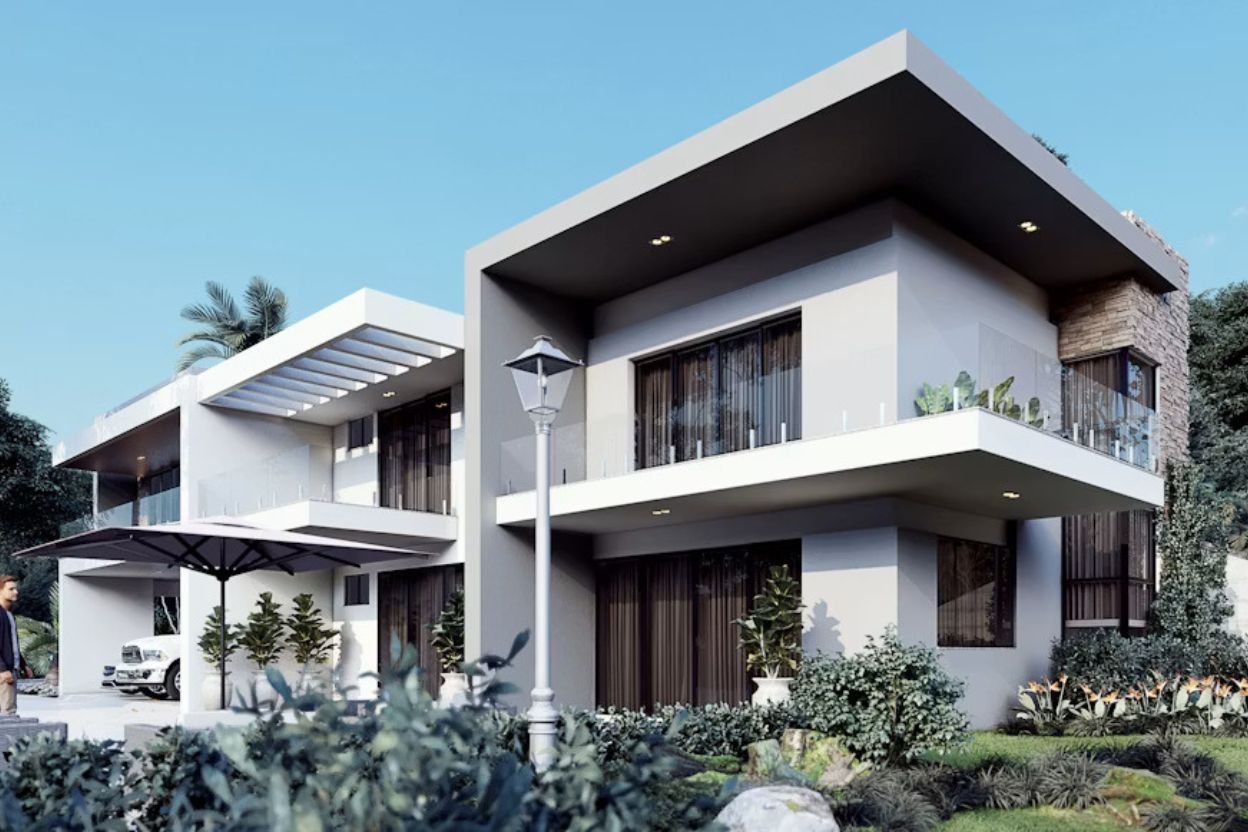
A home’s exterior is a visual representation of style, care, and functionality. It serves as the first impression for visitors and plays a significant role in shaping how the property is perceived within the neighborhood. As homeowners continue to place greater emphasis on personalization and long term value, creating a distinctive exterior has become an important goal. Thoughtful upgrades allow a home to stand out while maintaining harmony with its surroundings.
Rather than relying on large scale renovations, many homeowners are turning to strategic improvements that enhance both aesthetics and performance. By combining design elements with practical considerations, it is possible to achieve an exterior that feels unique, cohesive, and built to last. With the right approach, even subtle changes can transform an ordinary façade into something truly memorable.
Establishing a Clear Exterior Vision
Before beginning any upgrades, it is essential to define a clear vision for the home’s exterior. This vision acts as a guide for every decision, ensuring that each improvement contributes to a cohesive overall design. Whether the desired look leans toward modern simplicity, traditional elegance, or a blend of styles, clarity at the start helps avoid inconsistent results.
A well defined vision considers both personal preferences and architectural context. The existing structure of the home often provides clues about which styles will integrate naturally. Aligning upgrades with these features helps create a balanced appearance that feels intentional rather than forced.
Research and inspiration also play a valuable role in this stage. Observing design trends, exploring similar homes, and identifying elements that resonate can help refine ideas. Once a direction is established, it becomes easier to focus on upgrades that reinforce the desired look and feel.
Consistency across all exterior elements is what ultimately creates distinction. When materials, colors, and features work together, the entire property feels more polished and thoughtfully designed.
Enhancing Materials for Depth and Texture
Material selection is one of the most impactful ways to elevate a home’s exterior. The textures and finishes used on siding, trim, and architectural details define how the home interacts with light and space. By choosing materials that offer both visual appeal and durability, homeowners can create a dynamic and lasting impression.
Layering materials is a particularly effective design strategy. Combining smooth surfaces with textured finishes, such as pairing fiber cement panels with stone or wood accents, adds depth without overwhelming the design. This contrast creates a sense of dimension that enhances the overall appearance.
Durability should remain a priority during material selection. Exterior elements are constantly exposed to weather conditions, so choosing materials that resist wear and require minimal maintenance ensures long term satisfaction. High quality finishes not only maintain their appearance but also contribute to the home’s structural integrity.
Thoughtful material choices allow homeowners to create a distinctive look that feels both refined and practical. By focusing on quality and compatibility, the exterior gains a sense of depth that goes beyond basic design.
Using Color to Reinforce Identity
Color is one of the most powerful tools in exterior design. It has the ability to define mood, highlight architectural features, and unify the entire property. Selecting the right palette is essential for creating a distinctive appearance that reflects personal taste.
A balanced color scheme typically includes a primary shade, complemented by secondary and accent tones. Neutral colors often provide a strong foundation, offering versatility and timeless appeal. Adding carefully chosen contrasts through trim, doors, or shutters introduces personality without disrupting harmony.
The relationship between color and light should not be overlooked. Natural light can alter how colors appear throughout the day, so testing samples under real conditions is an important step. This ensures that the chosen palette performs well in various lighting scenarios.
Coordinating colors across all exterior elements, including roofing, siding, and landscaping, creates a cohesive look. When color is used thoughtfully, it enhances both the structure and the surrounding environment, resulting in a more unified and distinctive property.
Upgrading Roofing to Complement the Design
Roofing is one of the most prominent features of any home, yet it is often considered only from a functional perspective. In reality, the roof plays a major role in defining the overall aesthetic. A well chosen roofing style can bring the entire exterior together, reinforcing the design vision established earlier.
Selecting materials and colors that align with the rest of the home creates visual continuity. Clean lines and modern finishes are ideal for contemporary designs, while more textured or traditional options may suit classic styles. The goal is to ensure that the roof enhances rather than distracts from the overall look.
Investing in a Austin roofing replacement can significantly improve both the appearance and performance of the home. A new roof not only refreshes the exterior but also addresses potential issues related to aging materials. Improved insulation and durability contribute to greater energy efficiency and long term reliability.
By treating roofing as both a design element and a structural necessity, homeowners can achieve an upgrade that adds value in multiple ways. This approach ensures that the home remains both visually appealing and well protected.
Refining Details That Make a Lasting Impression
While major upgrades establish the foundation of a distinctive exterior, smaller details often provide the finishing touch that sets a home apart. These elements add character and demonstrate attention to detail, enhancing the overall design.
Lighting is a key component in this process. Well placed exterior fixtures highlight architectural features and create a welcoming atmosphere after sunset. Selecting designs that align with the home’s style ensures a seamless integration.
Additional details such as updated house numbers, modern hardware, and thoughtfully placed landscaping contribute to a cohesive and polished look. These features may seem minor on their own, but together they create a strong visual impact.
Landscaping, in particular, plays a supporting role in framing the home. Clean lines, balanced plant arrangements, and maintained greenery help connect the structure to its surroundings. This integration enhances both beauty and functionality.
Focusing on these finishing touches allows homeowners to elevate their exterior from simply improved to truly distinctive. It is often these subtle elements that leave the most memorable impression.
Conclusion
Creating a distinctive home exterior with smart upgrades requires a thoughtful balance of design, functionality, and personal expression. By establishing a clear vision, selecting high quality materials, coordinating colors, enhancing roofing, and refining details, homeowners can achieve a cohesive and visually striking result.
These improvements go beyond appearance. They contribute to durability, efficiency, and long term value, making them worthwhile investments. With careful planning and attention to detail, any home can be transformed into a unique and inviting space that reflects both style and purpose.
READ MORE: Global Teaching Labs: Driving Innovation in STEM Education 2026
