

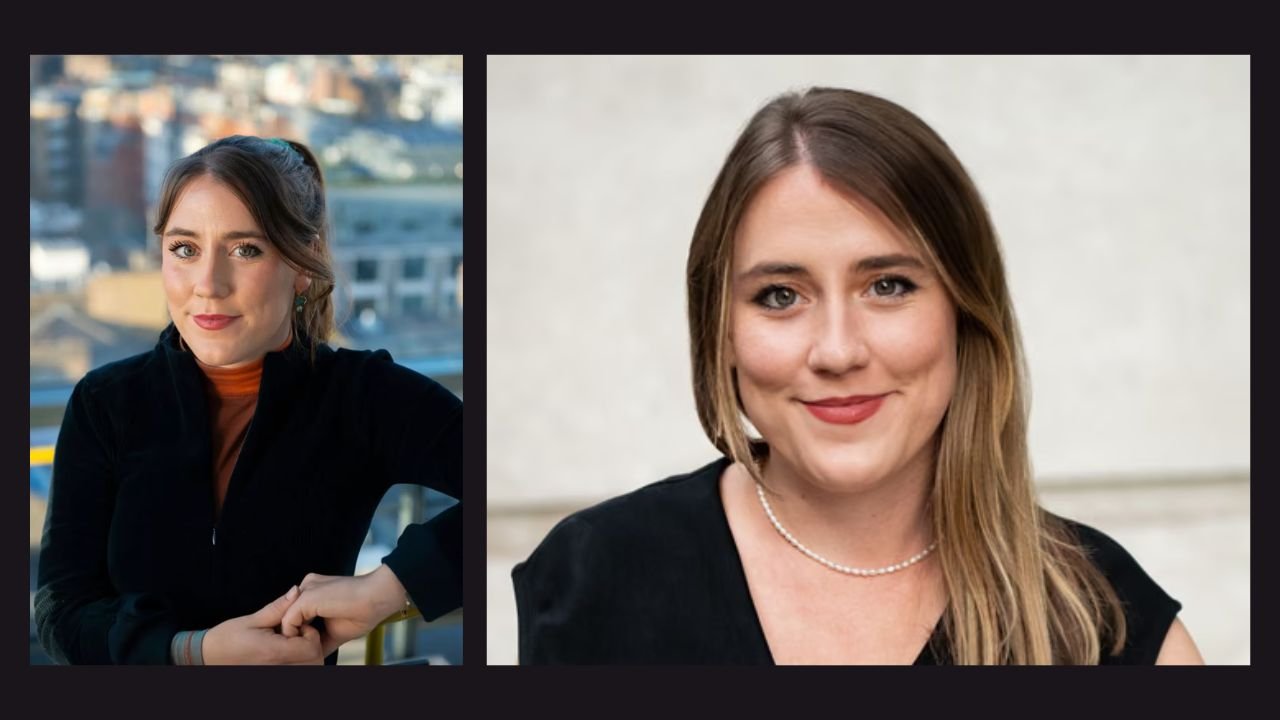
Who Is Marianna Spring and Why She Matters
Marianna Spring is a powerful voice in modern journalism. She is known for fearless reporting on misinformation, conspiracy theories, and online abuse. As the BBC’s first specialist in disinformation and social media, she has spent years investigating how false information spreads. She also examines why it harms real people and what can be done about it. Her work goes beyond simple news reporting. It shines a light on some of the most complex digital challenges facing societies today.
In this article, you will explore Marianna Spring’s journey and her major investigations. You will also learn about her contributions to podcasts and documentaries. Additionally, the article highlights the impact of her work by 2025–2026. It explains how she navigates the challenging task of confronting online trolls and misinformation that shape public opinion.
Early Life and Beginnings in Journalism
Marianna Spring grew up in South London and showed an interest in journalism from a young age. She was curious about the world and eager to explore how stories are told and understood. Her academic path led her to one of the United Kingdom’s most prestigious universities. There, she studied languages and honed her writing and analytical skills.
Growing Up With Curiosity
Spring’s fascination with journalism developed very early. By her teenage years, she was already seeking opportunities to write and report. Her background gave her a unique perspective. She was not just observing the world but also trying to understand how information is created and shared.
Academic Pursuits and Early Reporting
At university, Spring’s work expanded into international journalism. She wrote for several publications. During this time, she refined skills that later became crucial to reporting on digital culture and misinformation. These early experiences shaped her reporting style — fact-based, analytical, and always searching for truth in a world full of noise.
Becoming a Disinformation Specialist
A New Role at BBC
In March 2020, Marianna Spring became the BBC’s first disinformation and social media correspondent. This role was groundbreaking because it focused entirely on how false information spreads online and affects public life. Society was increasingly relying on digital platforms for news and connection. Her work was both timely and necessary.
Her responsibilities quickly extended beyond writing articles. Spring began appearing on television programs, hosting podcasts, and presenting investigative documentaries that explored digital manipulation and online harm. Her role is unique because it blends deep investigative reporting with digital analysis. Few journalists had done this at such a large scale before.
Reporting for Panorama and BBC Platforms
Since her appointment, Spring has worked on multiple investigative pieces for Panorama, one of the BBC’s flagship current affairs programs. These reports examine how misinformation campaigns are crafted. They also explore how such campaigns influence political events. Additionally, they show how extremist content gains traction online. Her investigations often uncover complex networks of social media accounts that spread harmful narratives.
Her coverage doesn’t just highlight falsehoods. It explores the mechanisms behind them. This includes social media algorithms, coordinated trolling networks, and psychological drivers that make misinformation compelling. By dissecting these structures, Spring helps audiences understand not just what misinformation is, but how it operates in everyday life.
Major Themes in Marianna Spring’s Work
Exposing the Trolls
One of the main areas Marianna Spring has focused on in her reporting is the world of online trolls — individuals or groups who spread conspiracy theories and hateful content. These trolls use digital platforms to amplify fear, mistrust, and radical viewpoints. Through her investigations, Spring has documented the tangible harm these actions cause — from public distrust in vaccines to real-world threats against individuals and communities.
Her book delves into these themes as well, examining why people are drawn into conspiracy theories and how platforms enable the spread of damaging ideas. Rather than simply dismissing believers as irrational, Spring tries to understand why people fall into these thought patterns and how that affects society at large.
The Human Toll of Digital Abuse
Marianna Spring’s work also highlights a difficult fact: journalists who confront misinformation often become targets themselves. She has faced unprecedented levels of online abuse, including threats and hateful messages. This personal impact underscores how polarized digital discourse has become, and how dangerous it can be for those who push back against falsehoods.
Despite these challenges, Spring continues her work with resilience, using her experiences both as subject and observer to illustrate how extreme digital environments can shape public conversation in frightening ways. Her reporting makes it clear that the problem of online hate is not abstract — it directly affects real people, including journalists dedicated to exposing truth.
Investigating Political Events and Social Media Influence
Another significant part of Marianna Spring’s investigations looks at political narratives and how social media platforms influence public opinion. For example, she analyzed manipulated audio and deepfake content circulating around elections, demonstrating how misinformation can shape political thought and behavior. These investigations reveal the tools and techniques used by bad actors to disrupt democratic processes, and the difficulty in regulating such activities on major platforms.
By creating undercover accounts and analyzing algorithmic behavior, Spring provides unique insights into how social media influence campaigns operate behind the scenes. This kind of work helps the public understand that information online is not always organic or neutral — it can be engineered to shape opinions and actions.
Contributions Beyond Reporting
Podcasts and Radio
In addition to written articles and television investigations, Marianna Spring regularly contributes to podcasts and radio programs. She is a host on the BBC’s Americast podcast — a series that blends news analysis with cultural insight. Through audio media, Spring reaches diverse audiences who seek deeper understanding of how digital culture intersects with politics and society.
Her radio series explore topics like online hate, digital radicalization, and the emotional experiences of people affected by misinformation. These platforms allow her to tell nuanced stories that go beyond headlines, giving listeners a more complete picture of the digital challenges facing modern society.
Public Speaking and Recognition
By 2025, Marianna Spring has also become an influential speaker at industry events, offering insights into disinformation and digital safety. She has appeared at conferences where experts, policymakers, and media professionals gather to discuss how best to respond to digital threats. These engagements amplify her impact beyond journalism, contributing to broader dialogues about online responsibility and regulation.
Her work has garnered recognition from professional organizations and industry bodies, highlighting her influence in shaping conversations around misinformation and media integrity.
The Significance of Marianna Spring’s Work in 2025 and Beyond
As we enter 2025 and 2026, the importance of Marianna Spring’s efforts is more pronounced than ever. Digital platforms have become central to how people receive information, and concerns about misinformation, AI-generated content, and algorithmic manipulation continue to rise. Spring’s reporting brings clarity to these issues, ensuring the public understands not only the risks but the human stories behind them.
Her investigations have set a new standard for how journalists approach the digital dimension of news. Rather than focusing solely on facts and falsehoods, she explores the cultural and technological systems that perpetuate misinformation. This holistic approach is critical in a world where news is no longer just written — it is engineered, amplified, and reshaped by complex digital forces.
Challenges and Controversies
No journalistic career is without debate, and Marianna Spring’s work has not been exempt from criticism. Some observers question her methods or interpretations, and she has publicly acknowledged mistakes in her own reporting. These moments remind us that journalism, especially investigative journalism in digital spaces, is an evolving discipline that must adapt and refine its practices.
Investigations into misinformation often attract strong opposing views — precisely because they challenge comfortable narratives and expose hidden agendas. Spring’s willingness to engage with these challenges reflects a commitment to transparency and accountability in her work.
Conclusion: Marianna Spring’s Impact on Modern Journalism
Marianna Spring has become one of the most influential figures in contemporary journalism when it comes to understanding the digital information age. Her work is not simply about exposing falsehoods — it is about illuminating the deep connections between technology, misinformation, and societal trust.
Through her investigations, podcasts, books, and public speaking, she has helped millions of people make sense of how online spaces influence real-world outcomes. In a world where truth and falsehood are increasingly difficult to distinguish, the role of journalists like Marianna Spring is essential. Her work will continue to shape how society responds to the ongoing challenges of misinformation and digital manipulation well into 2025 and 2026.
READ MORE: Neil Delamere: Irish Stand‑Up Comedian and Comedy Journey
