

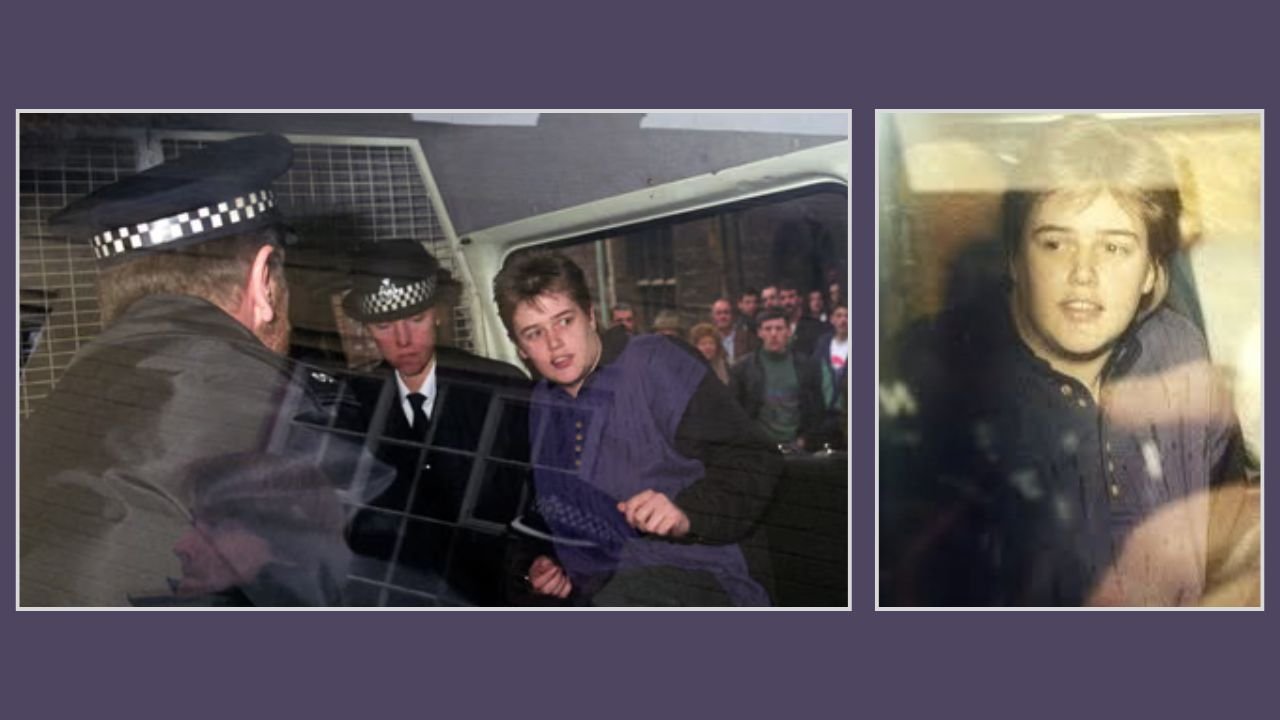
In the early 1990s, Beverley Allitt shocked the United Kingdom. Her crimes were horrifying and drew worldwide attention.
As a nurse entrusted with caring for sick children, Allitt violated that trust in the most extreme way possible. Decades later, many still wonder about her current circumstances, her age, her personal life, and whether she remains incarcerated. This article details Beverley Allitt’s life, crimes, conviction, and current status in clear, easy-to-read language.
Who Is Beverley Allitt?
Early Life and Background
Beverley Allitt was born on 4 October 1968 in Grantham, Lincolnshire, England, making her 56 years old in 2025. She grew up in a modest household and later trained as a nurse at Grantham College. Despite showing some early alarming behavioral traits and frequent hospital visits for self-inflicted or fabricated symptoms, she managed to qualify and enter the nursing profession. These behavioral patterns were later studied by psychiatrists and criminologists as part of her underlying psychological profile.
The Crimes That Shocked the Nation
The 1991 Killing Spree
The events that brought Allitt infamy occurred over a concentrated period between February and April 1991 at Grantham and Kesteven Hospital in Lincolnshire. Assigned to the children’s ward as a State Enrolled Nurse, she took advantage of understaffing and frequent unsupervised shifts to harm her young patients. Over that short span, she:
- Murdered four children under her care, three infants and an 11‑year‑old boy.
- Attempted to murder at least nine further children.
- Caused grievous bodily harm to several more.
Her methods included injecting excessive doses of insulin and in some cases introducing air bubbles into children’s bloodstream, resulting in catastrophic medical emergencies. The scale and nature of her actions earned her the chilling nickname “Angel of Death.”
Trial and Conviction
Legal Proceedings
Medical staff noticed an unusually high number of cardiac arrests and unexplained emergencies on the ward, which led them to arrest and charge Beverley Allitt.
Investigators cross‑checked staffing rotas and found that Allitt was present at every incident, a key piece of evidence in her prosecution.
In May 1993, she stood trial at Nottingham Crown Court. The prosecution proved her involvement in multiple assaults and murders. Allitt pleaded not guilty, but the court convicted her on all counts and sentenced her to 13 concurrent life terms, one of the harshest ever for a woman in Britain.
The judge made it clear that she posed a continuing danger to society.
Beverley Allitt Now: Prison and Current Status
Detention at Rampton Secure Hospital
After her conviction, prison authorities initially held Allitt in custody.. Soon after surrendering to custody, she engaged in self‑harm and refused sustenance, which raised serious concerns among prison officials. As a result, she was transferred to Rampton Secure Hospital in Nottinghamshire — a high‑security psychiatric facility — where she remains held to this day.
Parole Eligibility and Attempts to Transfer
Under UK sentencing rules, Allitt’s original minimum tariff was set at 30 years, meaning she became eligible for parole review in November 2021. However, being institutionalised at a psychiatric facility rather than a standard prison means she is not automatically referred to the Parole Board for release.
In October 2023, Allitt appeared before a mental health tribunal seeking a transfer to a mainstream prison. Such a move could have opened the door to formal parole hearings. However, her request was denied in December 2023, and she must wait several more years before another assessment can be made, possibly around 2026 or later.
Is She Still in Prison or Hospital?
As of 2025, Beverley Allitt remains detained at Rampton Secure Hospital under psychiatric care and has not been released. Although eligible for parole under technical terms, she is not free to apply for it as she has been denied a transfer to a mainstream prison for proper parole consideration.
Is Beverley Allitt Still Alive?
Yes. At the current time, beverley allitt is still alive. Born in 1968, she is in her mid-50s and continues to be held under strict security conditions. There is no credible public record or report indicating her death as of 2025 or early 2026.
Personal Life: Husband and Relationships
Despite the intense scrutiny of her crimes and incarceration, very little verifiable information exists about Allitt’s personal relationships in recent decades.
In the early 2000s reports emerged that she had a relationship with another patient at Rampton — a man named Mark Heggie, often described in the press at the time as someone with a history of violent behavior. The two were reported to be engaged and planned to wed within the hospital chapel. However, these reports date back more than twenty years and there’s no reliable confirmation that the marriage ever took place. No credible recent sources confirm that Allitt has a husband today or that she is married.
Therefore, in the present context, beverley allitt husband is not a confirmed or publicly established detail, and most reliable records do not list a spouse for her as of 2025.
Psychological Assessment and Motive
Experts have long debated Allitt’s psychological profile and motives. One prevailing theory is that she displayed symptoms associated with Munchausen syndrome by proxy — a psychiatric condition in which a caregiver deliberately induces or fabricates illness in someone under their care for attention and sympathy. This theoretical diagnosis was referenced during her trial and has been discussed by psychologists and criminologists studying the case.
Even decades after her conviction, her motives have never been fully understood or explained by Allitt herself. She has refused to provide a clear account of why she committed these crimes, leaving an unsettling gap in her historical record.
Legacy and Continuing Impact
Influence on Medicine and Crime Investigation
The Beverley allitt case became one of the most significant instances in British medical history of a healthcare professional committing repeated murders. Her actions exposed weaknesses in hospital oversight and staffing practices of the time and influenced later protocols for monitoring unexplained medical events and child safety on wards.
Her case has also been repeatedly referenced alongside later healthcare‑related crimes, including the tragic case of nurse Lucy Letby, whose own crimes drew comparisons to Allitt’s patterns and methods decades later.
Broader Public and Legal Discussions
Allitt’s crimes have become a fixture in criminal psychology textbooks, documentaries, and public inquiries into patient safety. Her detention at Rampton and the ongoing debate about psychiatric versus penal incarceration highlight broader challenges in how legal systems address dangerous offenders with complex mental health profiles.
Conclusion
Beverley Allitt remains one of the most notorious criminal figures in modern British history. Today, she is alive and incarcerated at a high-security psychiatric hospital, having served the minimum part of her life tariff. Her case continues to raise difficult questions about motive, mental health, legal sentencing, and public safety.
She has not married, and no current evidence confirms a husband or family life outside the hospital. Now in her mid-50s, she remains a subject of ongoing public and legal interest, especially as her potential reassessment for parole draws closer in coming years.
READ MORE: Transforming Healthcare Excellence at Queen Alexandra Hospital Portsmouth
