

A cracked tooth has a way of showing up at the worst possible moment. One bite into something a little too hard and suddenly you’re running your tongue over a jagged edge, wondering how bad it is.
This is where a dental crown in Cardiff enters the conversation and it’s worth understanding what that means before you sit in the chair.
What the Crown Is Doing
A crown is a cap, shaped like a tooth, that fits over what’s left of a damaged one. It’s not a filling and it’s not a veneer. A filling patches a hole. A veneer covers just the front surface. A crown wraps around the whole tooth, which is why it’s used when the damage goes deeper than either of those can handle.
They’re usually made from porcelain, metal or a mix of both, depending on where in the mouth the tooth sits and how much bite force it needs to withstand.
Porcelain tends to get chosen for visible teeth since it can be matched closely to the colour of the ones next to it. Whatever the material, a dental crown in Cardiff is generally built to blend in rather than stand out.
When a Crown Gets Recommended
We wouldn’t jump to a conclusion for every chip or minor issue. There are a handful of situations where it genuinely makes more sense than the alternatives.
- A decay that’s gone too deep for a filling to fix is one. Once a cavity eats past a certain point, patching it isn’t really an option anymore and a crown becomes the more sensible route.
- A cracked or fractured tooth is another. Rather than leaving the crack to spread with every bite, a crown holds the tooth together and spreads the pressure more evenly.
- Root canal treatment is the third. Once the inside of a tooth has been cleaned out, what’s left is more brittle than before and a crown adds back the strength that treatment removes.
Anyone weighing up a dental crown in Cardiff for one of these reasons is usually doing so on their dentist’s recommendation rather than out of choice, which is worth keeping in mind if the idea feels sudden.
What the Actual Appointment Looks Like
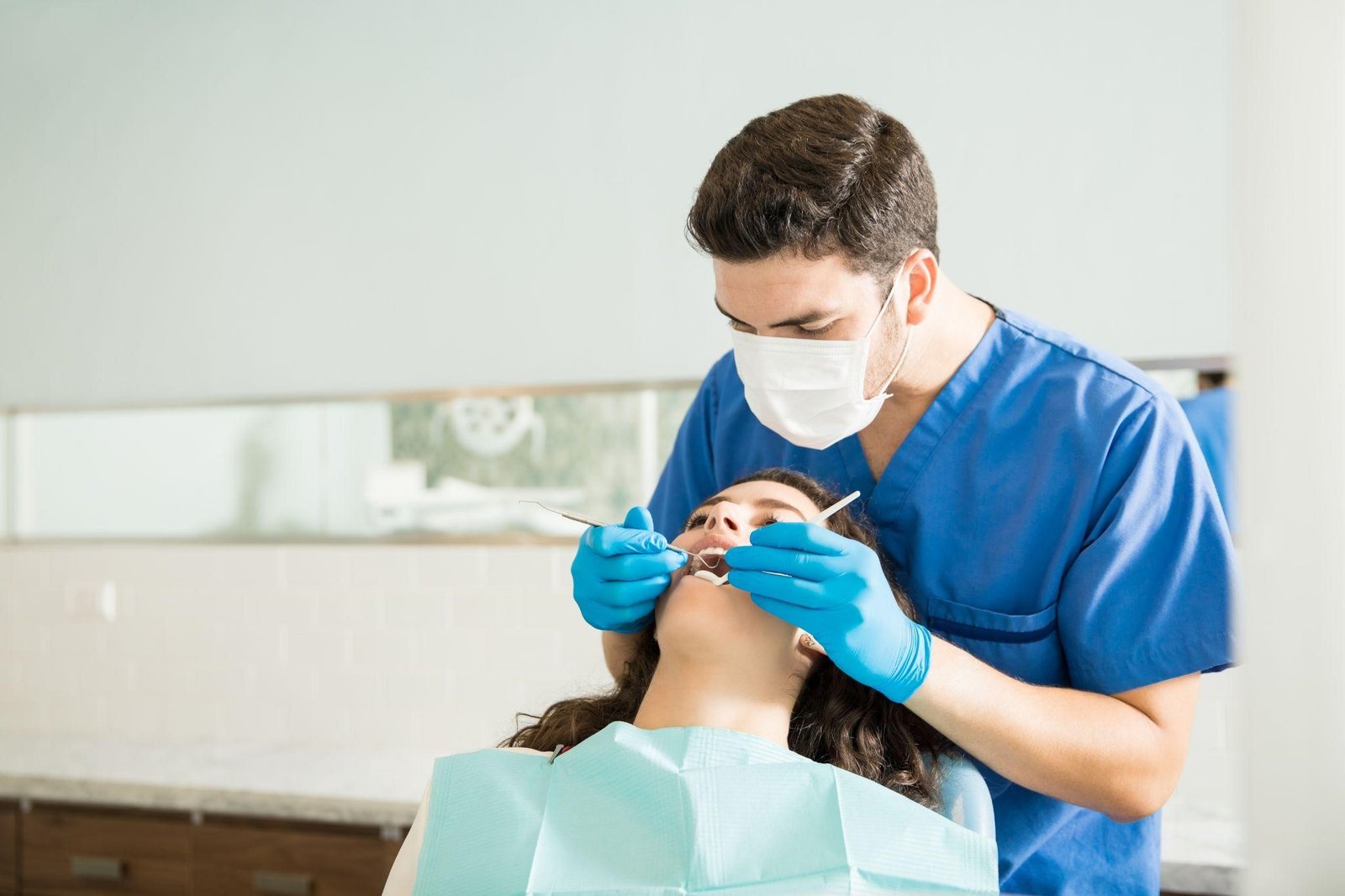
The process starts with numbing the area, so the reshaping that follows shouldn’t be painful. The tooth gets shaped down slightly to make room for the crown to sit properly and an impression or digital scan is taken to guide how the crown is made.
Because a custom crown takes some time to produce, a temporary one is usually fitted in the meantime, with the permanent version ready to go in around a couple of weeks. Once it arrives, fitting it is a short appointment.
How Long Does a Crown Last
This is one of the more common questions and the honest answer depends on how well it’s looked after. With decent oral hygiene, regular checkups and no grinding left unmanaged, a crown can realistically last somewhere between 15 and 30 years.
Grinding your teeth at night without a nightguard or letting plaque build up around the edge of the crown tends to shorten that window.
A crown itself doesn’t get cavities in the way a natural tooth does but the tooth underneath it still can, particularly right at the margin where the two meet. It’s one more reason a dental crown in Cardiff still needs looking after, not just fitting and forgetting.
Crowns Aren’t the Only Option
It’s worth knowing that a dental crown in Cardiff isn’t automatically the only route available. For smaller cosmetic concerns, like a chip or a gap, a veneer might do the job with less preparation involved. For a straightforward cavity, a filling may still be enough. And in cases where the tooth is too damaged to save at all, an implant becomes a more realistic conversation.
A proper look at the tooth is really the only way to know which of these applies, which is why a consultation tends to matter more than guessing based on symptoms alone.
Why the Fit and Follow-Up Matter
A crown that’s fitted well and then ignored afterward won’t last as long as it should. Brushing and flossing around it the same way you would a natural tooth and going back for regular checkups, is what determines whether it holds up for the long run rather than needing replacement early.
Cyncoed Dental Practice, based in Cardiff, is one example of a practice that builds this kind of follow-up into ongoing hygiene visits rather than treating the crown fitting as the end of the process.
Final Thoughts
A dental crown in Cardiff tends to come up at a fairly stressful moment, right after a tooth’s been damaged in some way. Understanding what the cap is doing, why it’s being recommended over other options. Also, what keeps it lasting for years afterward makes the whole process feel a lot less daunting.
If you’re facing that decision yourself, a proper consultation with your dentist is really the only way to know what’s right for your specific tooth.
