

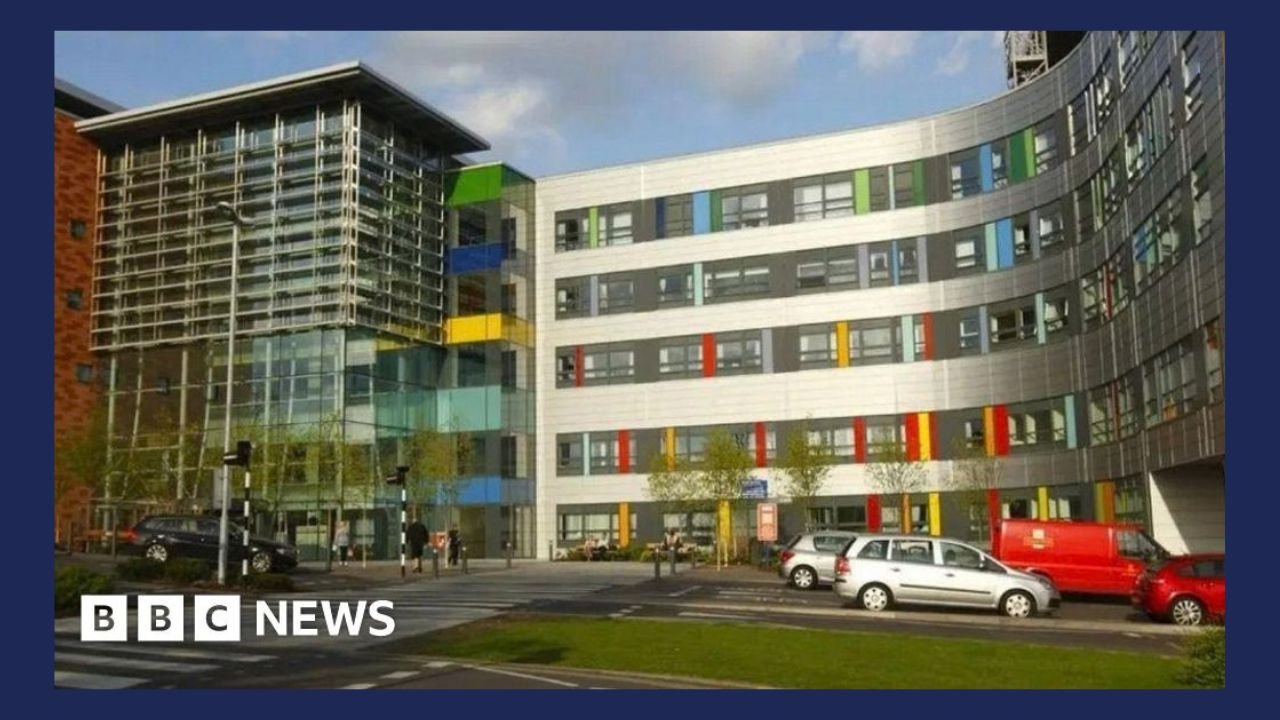
Queen Alexandra Hospital
Queen Alexandra Hospital stands as one of the largest and most vital healthcare facilities in southern England. Known widely both as Queen Alexandra Hospital and locally as QA Hospital, this institution plays a central role in serving the medical needs of communities across Portsmouth, Hampshire, and surrounding areas. It operates under the National Health Service (NHS), offering a wide range of clinical services, urgent and emergency care, specialist treatment units, and community-focused health programmes. The hospital’s evolution continues into 2025 and 2026 with ongoing improvements in patient care, infrastructure, and medical technology.
In this detailed and informative article, you will explore how Queen Alexandra Hospital has developed into a modern healthcare centre, what services it provides, its commitment to patient experience, facilities enhancements, and its role within the broader NHS system. The discussion aims to be clear, engaging, and well-structured to support understanding for readers of all backgrounds.
Location and Importance of Queen Alexandra Hospital
Queen Alexandra Hospital is situated in Cosham, Portsmouth, Hampshire, in the south of England. It serves as a major referral centre for a diverse population, providing both emergency and long-term medical services. The hospital’s location in a densely populated region makes it a crucial provider of care for adults and children alike.
Because of its size and scale, Thisis one of the most significant NHS trusts in the region. It supports medical education and training, working closely with universities and healthcare training programmes. It also collaborates with defence medical services through an attached Ministry of Defence Hospital Unit, integrating military and civilian healthcare expertise.
History and Growth of Queen Alexandra Hospital
The history of Queen Alexandra Hospital dates back over a century, and its development reflects broader changes in British healthcare. Initially established in the early 1900s as a military hospital, it was named in honour of Alexandra of Denmark. Over time, it transitioned from military care to become part of the NHS, expanding its range of services and sources of expertise.
Throughout its history, Queen Alexandra Hospital has adapted to meet the healthcare demands of local communities. Major redevelopments and expansions have taken place in recent decades, driven by advances in medical knowledge and rising patient demand. This forward momentum continues into the mid-2020s, with significant upgrades to emergency care facilities and patient support systems.
Core Medical Services and Departments
Emergency and Urgent Care
One of the most important functions of Queen Alexandra Hospital is its Accident and Emergency Department (A&E), which operates 24 hours a day to treat severe injuries and urgent medical conditions. This department is staffed by specialist physicians, nurses, and emergency care professionals.
In late 2024, Queen Alexandra Hospital opened a state-of-the-art Emergency Department following a major redevelopment project. This new facility doubled the resuscitation capacity, added advanced diagnostic capabilities such as a new CT scanner, and improved patient privacy and infection control. The redesigned space and improved care pathways aim to shorten waiting times and provide more personalised care. Separate areas for children and adults, sensory support rooms, and expanded treatment bays are just some of the features enhancing patient experience.
Inpatient and Outpatient Departments
Queen Alexandra Hospital hosts an extensive range of clinical departments. It covers general medicine, surgical units, oncology, cardiology, respiratory services, and orthopaedics. It also offers specialised surgical services, including colorectal surgery, breast surgery, and urology. Comprehensive diagnostic services, including imaging and laboratory testing, support accurate and timely patient care.
In addition to inpatient wards, the hospital provides day treatment services designed to support procedures and therapies that do not require overnight stays. This helps reduce pressure on inpatient beds and allows patients to receive care more efficiently.
Maternity, Neonatal, and Children’s Services
The hospital’s maternity wing serves a large number of births each year, offering monitoring, prenatal care, labour and delivery support, and postnatal assistance. Alongside maternity care, the neonatal unit provides specialised care for newborns requiring medical support or intensive monitoring.
Children and adolescent health services at Queen Alexandra Hospital offer an array of treatments, ranging from allergy and endocrinology care to surgery and metabolic disorder support. These units are dedicated to the physical and developmental needs of younger patients, aiming for compassionate, family-centred care.
Specialist and Supportive Care
Beyond general medical and surgical departments, Queen Alexandra Hospital hosts specialist units such as cancer care services, rehabilitation, diabetes medicine, and dermatology. These departments help manage complex conditions and provide long-term care plans tailored to individual patient needs. Rehabilitation services, for example, support recovery after major surgery or acute illness, helping patients regain strength and independence.
Infrastructure and Facility Enhancements
Entrance and Public Spaces
In recent years, Queen Alexandra Hospital has invested in modernising its public spaces and infrastructure. New entrance areas have been developed to create a welcoming environment for patients and visitors. Improved retail and waiting facilities, including food services and rest areas, contribute to a more positive experience for everyone using the hospital.
These improvements reflect a broader shift toward patient-centred environments that consider comfort, accessibility, and efficiency alongside clinical care.
Sustainability Initiatives
QA Hospital is also active in sustainability efforts that enhance both care and environmental responsibility. One example is a programme to recycle and reuse mobility aids such as walking frames and crutches. By refurbishing these items, the hospital reduces waste and supports patients who need these devices, while contributing to the NHS’s overall sustainability goals.
Patient Support Services
Patient Advice and Liaison Service (PALS)
Queen Alexandra Hospital offers a Patient Advice and Liaison Service (PALS) that supports patients, relatives, and carers in understanding services and resolving concerns. PALS helps ensure that care remains responsive and centred on individual needs, offering advocacy and guidance throughout the healthcare experience.
Accessibility and Transport
Accessibility is a key priority at Queen Alexandra Hospital, with wide corridors, wheelchair-friendly access points, and facilities designed to support mobility for all visitors. The hospital is also well-connected by public transport and accessible via road routes for patients coming from nearby communities. Parking and transport information is available for those attending appointments or bringing loved ones for treatment.
Quality and Inspection Reports
Regulatory bodies such as the Care Quality Commission (CQC) assess NHS hospitals to ensure safety, effectiveness, and quality of care. Queen Alexandra Hospital has undergone recent inspections, which highlighted strengths and areas for improvement in urgent and emergency services. Overall, the hospital continues to maintain high standards of medical care while working to address operational challenges.
Additionally, patient feedback and inspection findings help guide improvements across departments. These evaluations are essential for maintaining patient trust and continually enhancing service delivery.
Community Engagement and Events
Queen Alexandra Hospital engages with the local community through events and initiatives aimed at raising awareness and supporting fundraising efforts. One example is a charity fun run designed to bring people together in support of hospital departments and patient programmes. These activities strengthen community ties and contribute to resources needed for patient care enhancement.
Challenges and Future Directions
Like many large healthcare organisations, Queen Alexandra Hospital faces challenges such as managing patient demand, recruiting and training staff, and maintaining high performance across all services. However, continued investment in infrastructure, quality improvement programmes, and community-focused care models positions the hospital to respond effectively to future healthcare needs.
Looking forward, Queen Alexandra Hospital is likely to continue its efforts in expanding services, updating clinical practice, and embracing innovations in patient care and health technology. Its commitment to integrating sustainable practices and improving the patient experience places it among the NHS institutions leading positive change.
Conclusion
Queen Alexandra Hospital in Portsmouth is a pivotal healthcare facility offering comprehensive services and modern medical care to a wide community. With its broad clinical departments, advanced emergency care, commitment to sustainability, and ongoing infrastructure improvements, the hospital remains a cornerstone of regional health services. In 2025 and 2026, Queen Alexandra Hospital continues to evolve, adapting to new medical standards, improving facilities, and reinforcing its mission to provide high-quality, compassionate care for all patients.
