

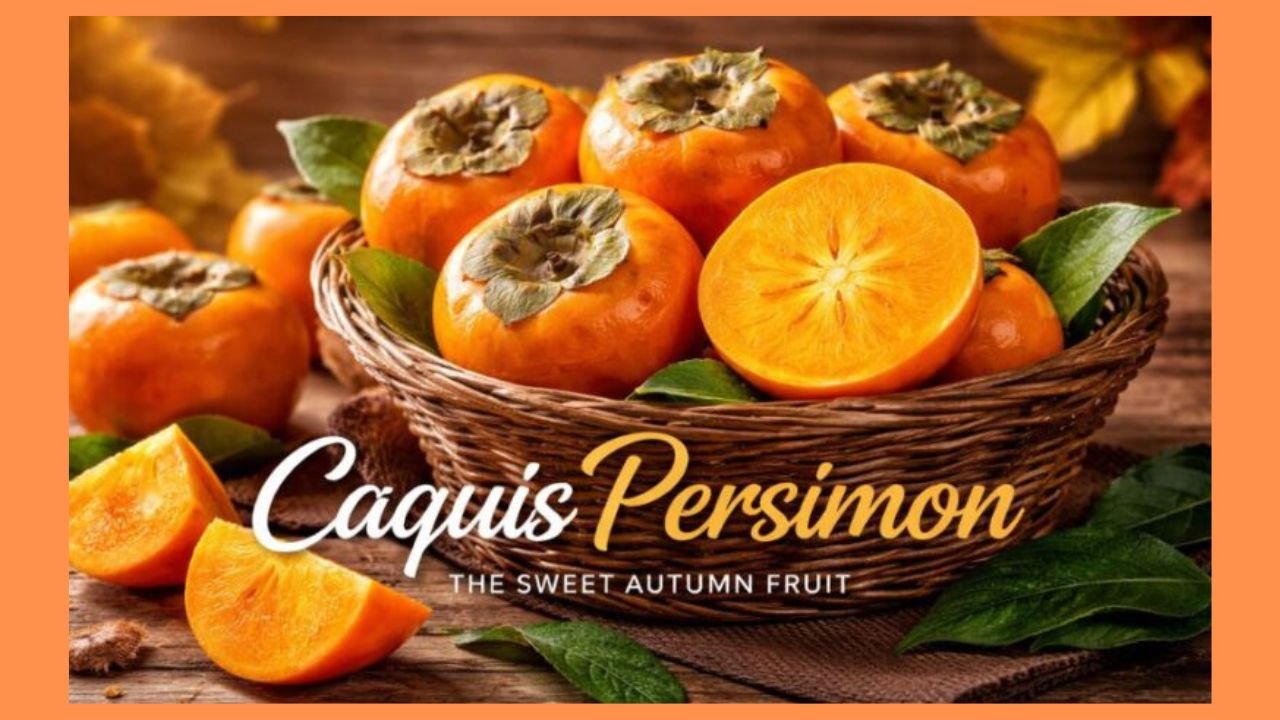
Caquis persimon represents a unique success story in the world of seasonal fruits. While traditional persimmons often required a long ripening period to lose their bitterness, this specific variety changed everything for modern consumers. As we move through 2026, its popularity continues to soar across global markets. This fruit offers a perfect blend of convenience, incredible sweetness, and a crunchy texture that appeals to everyone. It is not just a snack; it is a nutritional powerhouse that fits perfectly into a healthy lifestyle.
Understanding the difference between a standard persimmon and the caquis persimon is the first step toward enjoying it. The “Persimon” trademark actually refers to a specific way of treating the Rojo Brillante variety. Growers use a natural process to remove the astringency while keeping the fruit firm. Consequently, you can slice it just like an apple and enjoy it immediately. This innovation has transformed it from a niche autumn fruit into a staple of the winter produce aisle.
The Nutritional Profile of Caquis Persimon in 2026
In 2026, health-conscious individuals are looking for foods that offer more than just basic energy. The caquis persimon fits this requirement perfectly because it is packed with bioactive compounds. It provides a dense source of vitamins and minerals that support the body during the colder months. Research shows that including this fruit in your diet can significantly improve your daily intake of essential antioxidants.
High Vitamin and Mineral Content
One of the standout features of this fruit is its high concentration of Vitamin A. This nutrient is vital for maintaining good vision and a strong immune system. In addition, it contains a significant amount of Vitamin C, which helps the body repair tissues and fight off seasonal illnesses. The mineral profile is equally impressive, featuring potassium and magnesium. These minerals are essential for heart health and maintaining proper muscle function throughout the day.
Dietary Fiber and Digestive Health
A single caquis persimon provides a substantial amount of dietary fiber. Fiber is crucial for healthy digestion because it helps regulate blood sugar levels and promotes satiety. Because it makes you feel full for longer, it is an excellent choice for those managing their weight. Furthermore, the natural tannins found in the fruit, once treated, do not interfere with digestion. Instead, they contribute to the overall antioxidant capacity of the fruit.
Culinary Versatility in Modern Kitchens
The firm texture of the caquis persimon makes it one of the most versatile ingredients in a 2026 kitchen. Unlike soft varieties that are limited to puddings or spoons, this fruit holds its shape beautifully. You can use it in both sweet and savory applications with great success. Its mild, honey-like flavor complements a wide range of spices and proteins.
Fresh and Raw Applications
Eating the fruit raw is the most common way to enjoy its natural sweetness. You can slice it into thin rounds or wedges to serve as a standalone snack. In 2026, many chefs are using caquis persimon to add a crunch to autumn salads. It pairs exceptionally well with bitter greens like arugula or kale. Adding some toasted walnuts and a bit of goat cheese creates a gourmet experience with very little effort.
Baking and Cooking Trends
When heated, the natural sugars in the caquis persimon caramelize, creating a deep and rich flavor. Therefore, it is a fantastic addition to tarts, muffins, and even holiday pies. For a savory twist, try roasting slices with a bit of olive oil and rosemary. This preparation works wonderfully as a side dish for roasted meats or as a topping for flatbreads. The fruit does not turn into mush when cooked, which allows for beautiful presentation on the plate.
Seasonal Availability and Selection Tips
Finding the best caquis persimon requires a little bit of knowledge about its growing season. Typically, the harvest begins in late autumn and continues through the middle of winter. In 2025 and 2026, improved logistics have ensured that the fruit reaches stores in peak condition. Look for specimens that have a vibrant, deep orange color and feel heavy for their size.
How to Spot a Quality Fruit
When you are at the market, check the skin for any deep bruises or cracks. A few small surface marks are normal and do not affect the quality of the flesh. The fruit should feel firm to the touch, similar to a ripe tomato or a peach. If it feels too soft, it may have been handled roughly during shipping. A perfect caquis persimon will have a smooth, waxy skin that glows under the store lights.
Proper Storage at Home
Once you bring your fruit home, storage is relatively simple. If they are already ripe and firm, you can keep them on the counter for a few days. However, if you want them to last longer, the refrigerator is your best friend. Cold temperatures slow down the ripening process significantly. You can keep them in the crisper drawer for up to two weeks without losing flavor. Just remember to bring them to room temperature before eating to enjoy the full sweetness.
The Sustainable Impact of Persimmon Cultivation
As we look toward 2026, sustainability in agriculture is more important than ever. The cultivation of caquis persimon is generally considered more eco-friendly than many tropical fruits. Because they are often grown in specific Mediterranean climates, they require fewer resources for long-distance transport to European markets. Furthermore, the trees are hardy and resistant to many common pests, which reduces the need for chemical interventions.
Supporting Local Ecosystems
Persimmon orchards provide a vital habitat for local pollinators during the late season. When most other trees are dormant, the persimmon tree is still active, offering resources to bees and birds. This biodiversity is essential for a healthy agricultural landscape. By choosing caquis persimon, consumers are often supporting traditional farming communities that have perfected these techniques over generations.
Reducing Food Waste
The unique firmness of this variety also helps reduce food waste throughout the supply chain. Traditional soft persimmons are extremely fragile and often get damaged before they reach the consumer. In contrast, the caquis persimon is sturdy enough to withstand transport and handling. This durability means fewer fruits end up being discarded, which is a win for both the environment and the economy.
Global Trends and Future Outlook
The global market for caquis persimon is expected to expand even further by the end of 2026. New regions are beginning to adopt the de-astringency techniques that made the Spanish varieties so famous. This means we might see a more consistent year-round supply in the future. Additionally, food scientists are exploring new ways to use the fruit in processed goods like dried snacks and natural sweeteners.
Innovations in Food Processing
Dried caquis persimon slices are becoming a popular alternative to processed candy. They provide a concentrated burst of flavor without any added sugars or preservatives. In 2026, we are also seeing persimmon-based vinegars and syrups entering the specialty food market. These products capture the essence of the fruit and allow people to enjoy its flavor even outside of the harvest season.
The Rise of the Superfruit Status
The term “superfruit” is often overused, but the caquis persimon truly earns the title. Its combination of high fiber, antioxidants, and essential vitamins makes it a standout in the produce section. As more people learn about these benefits, the demand continues to rise. We are seeing a shift in consumer behavior where people actively seek out seasonal gems like this to diversify their diets.
Integrating Caquis Persimon into Your Daily Routine
Adding caquis persimon to your diet does not have to be complicated. In fact, its ease of use is one of its best qualities. You do not need to peel it, though some people prefer to remove the skin for a softer texture. For a quick breakfast, try slicing the fruit over your morning oatmeal or yogurt. The sweetness of the fruit eliminates the need for extra honey or sugar.
Smoothies and Juices
If you enjoy making smoothies, the caquis persimon adds a wonderful creaminess to the blend. It works particularly well with citrus fruits like oranges or grapefruit. The high water content makes it easy to juice, providing a refreshing drink that is naturally sweet. This is a great way to get a quick boost of vitamins on a busy morning.
Entertaining with Persimmon
When hosting friends, a platter of sliced caquis persimon alongside aged cheeses is always a hit. The fruit provides a refreshing palate cleanser between bites of savory food. You can also use the slices to garnish cocktails or mocktails for a touch of seasonal elegance. Its beautiful color makes any dish look more professional and appetizing.
Conclusion: A Fruit for the Future
The caquis persimon is more than just a seasonal treat; it is a symbol of agricultural innovation. By solving the problem of astringency, growers have made a delicious and healthy fruit accessible to millions. Whether you eat it for its health benefits or its incredible taste, it is a worthy addition to your kitchen in 2026. Its versatility and durability make it a standout choice in an increasingly crowded food market.
As we continue to prioritize health and sustainability, the caquis persimon will likely remain a favorite for years to come. It reminds us that nature, combined with a bit of human ingenuity, can provide everything we need to thrive. So, the next time you see these bright orange gems at the market, do not hesitate to pick up a few. Your body and your taste buds will certainly thank you for the choice.
READ MORE: Aguaris: The Sustainable Future of Modern Water Treatment in 2026
